Vasubaras 2026 | वसुबारस (गोवत्स द्वादशी) २०२६
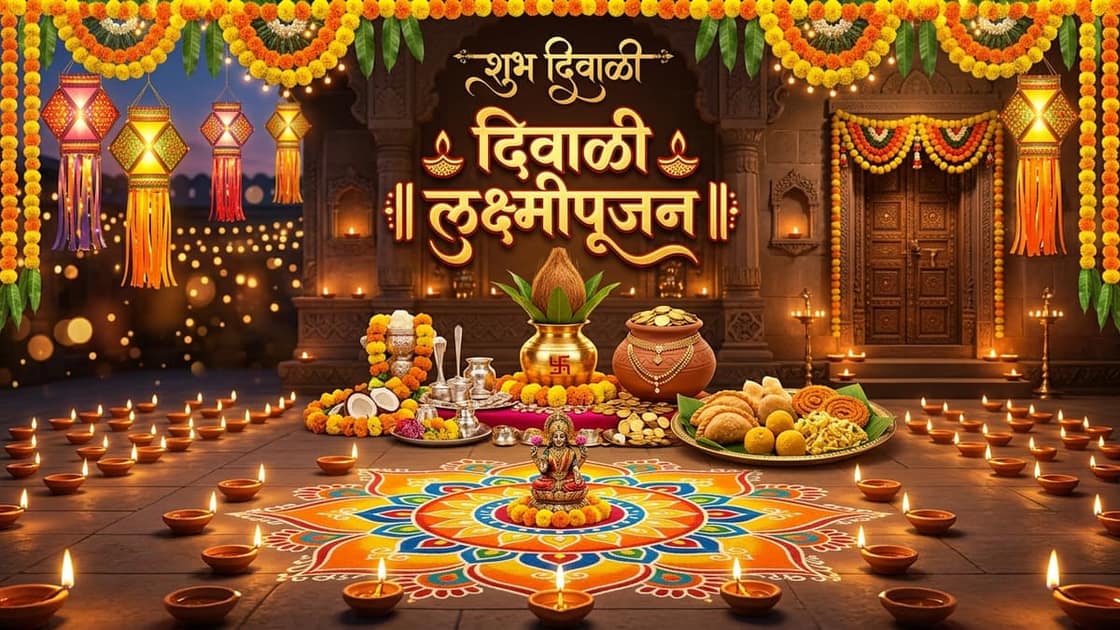
Vasubaras 2026 cow and calf worship Gau Mata pujan during Diwali in Maharashtra

Looking for calendar views and tithis?

Read more about the exact tithi timings and planetary alignments in our comprehensive November 2026 Calendar.

View November Calendar →

About Vasubaras(उत्सव माहिती)

Vasubaras (वसुबारस), also celebrated as Govatsa Dwadashi (गोवत्स द्वादशी), marks the ceremonial dawn of the Diwali festival across Maharashtra. Celebrated on the auspicious Ashwin Krishna Dwadashi, this heartfelt occasion is dedicated to expressing profound gratitude to Gau Mata (the holy cow) and her nursing calf (Vatsa). In traditional Maharashtrian agrarian life, the cow represents Kamadhenu — the celestial wish-fulfilling mother who sustains families with nourishing milk, enriches farm soil, and embodies unconditional gentleness.

On this auspicious morning, courtyards in towns and villages throughout Maharashtra are swept immaculate, washed with cow dung water, and decorated with elaborate white rice flour and geru rangoli motifs of cow footprints and lotus buds. Married women and mothers observe a dedicated day-long fast, praying earnestly for the long life, sound health, and prosperity of their children. As dusk sets in during Pradosh Kaal, cows and calves are respectfully welcomed into home front yards or visited in local goshalas, where family members perform ceremonial Auchan, anoint their heads with vermilion and sandalwood paste, and garland them with fresh marigold flowers.

Vasubaras also holds the spiritual distinction of inaugurating the lighting of Diwali lamps. As soon as Gau Pujan concludes, the very first clay oil lamp (पहिली पणती) of the Deepavali season is lit reverently outside the house facing south, signaling the dispelling of gloom and welcoming Goddess Lakshmi's divine grace into the home.

History: The origins of Vasubaras are deeply embedded in the ancient Puranic accounts of the Samudra Manthan (churning of the cosmic ocean of milk). According to the Bhavishya Purana, when gods and demons churned the cosmic ocean, five divine celestial cows emerged, led by Kamadhenu, symbolizing boundless nourishment, purity, and spiritual grace. To honor this miraculous divine gift to humanity, King Prithu established the worship of cows and calves on Ashwin Krishna Dwadashi.

In Maharashtra's vibrant cultural history, the agrarian heartland under the Yadavas and later the Maratha empire under Chhatrapati Shivaji Maharaj held cow preservation as a fundamental pillar of Dharma and community welfare. Royal households, warrior sardars, and rural farming families alike observed Vasubaras with equal devotion. Folk traditions across the Sahyadri mountains weave tales of mothers dedicating their fast on this day so their sons and daughters would remain protected against evil eyes and childhood illnesses, reinforcing the sacred bond between human mothers and the divine universal mother, Gau Mata.

Significance: Vasubaras serves as a grounding spiritual reminder at the start of Diwali that celebration begins with gratitude toward nature, animal companions, and the sources of life. For Maharashtrian households, the festival honors motherhood, environmental compassion, and agricultural sustainability. Worshiping the cow and calf harmonizes the domestic atmosphere, purifies negative planetary vibrations according to Vedic astrology, and sets a sacred, selfless tone before the commercial grandeur of Dhanteras and Laxmi Pujan begins.

Rituals & How to Celebrate

Pradosh Kaal Gau Pujan: Bathing the cow and calf gently with lukewarm water, wiping them clean, and adorning their forehead with auspicious Haldi, Kumkum, and Chandan tilak.
Garlanding with Marigolds: Placing fresh yellow and orange marigold (Zendu) flower garlands around the necks of the cow and calf and draping an ornate cotton or silk cloth (Zool) across the cow's back.
Traditional Auchan Vidhi: Suvasini women wave a brass or silver Aarti thali with lighted ghee wicks five times around the cow and calf while chanting prayers for family health and lineage prosperity.
Feeding the Sacred Naivedya: Offering the cow sprouted gram/moong (उसळ), soaked bajra, tender grass stalks, and hot jaggery-wheat flatbread or freshly prepared sweet puran poli.
Observing Dietary Fast (दूध-तूप त्याग): Mothers observing the Vasubaras fast strictly refrain from consuming any cow milk, yogurt, butter, ghee, or buttermilk, as well as fried foods, to allow all bovine bounty to belong exclusively to the calf.
Lighting the First Diwali Panti: Placing the foundational oil lamp (पहिली पणती) of Diwali on the courtyard threshold after sunset, heralding the festival of lights.

Traditional Foods & Bhog

Moog Usal (स्प्राउटेड मूग उसळ - Sprouted whole green gram tempered with mustard seeds, cumin, curry leaves, and grated fresh coconut)
Bajrichi Bhakri (गरमागरम बाजरीची भाकरी - Hand-patted rustic pearl millet flatbread baked over wood fire or clay skillet)
Puran Poli for Gau Mata (पुरणपोळी - Stuffed sweet jaggery-chana dal flatbread offered exclusively as Naivedya to the holy cow)
Mula Bhaji & Methi Usal (मुळ्याची पाने आणि मेथीची सात्विक भाजी - Simple seasonal greens cooked without heavy spices or fried tempering)
Jaggery-Wheat Lapsi (गूळ-गव्हाची लापशी - Cracked wheat cooked in pure water and organic jaggery, devoid of dairy products)

Festival Calendar

Oct18

Vasubaras 2025

६४ पौष • वसुबारस (गोवत्स द्वादशी) २०२६

Sat
Nov6

Vasubaras 2026

२७ आश्विन • वसुबारस (गोवत्स द्वादशी) २०२६

Fri
Oct26

Vasubaras 2027

२९२ पौष • वसुबारस (गोवत्स द्वादशी) २०२६

Tue

Frequently Asked Questions

Quick Info

FestivalVasubaras
Date6 November 2026
DayFriday
Tithiसप्तमी
Marathi Date२७ आश्विन १९४८
Pakshaकृष्ण पक्ष
Share on WhatsApp

Panchang Details

Sunrise6:05 AM
Sunset5:00 PM
Nakshatraअश्विनी
Yogaहर्षण
Karanaबव