
Diwali Laxmi Pujan 2026 | लक्ष्मीपूजन २०२६
Looking for calendar views and tithis?
Read more about the exact tithi timings and planetary alignments in our comprehensive November 2026 Calendar.
About Diwali Laxmi Pujan(उत्सव माहिती)
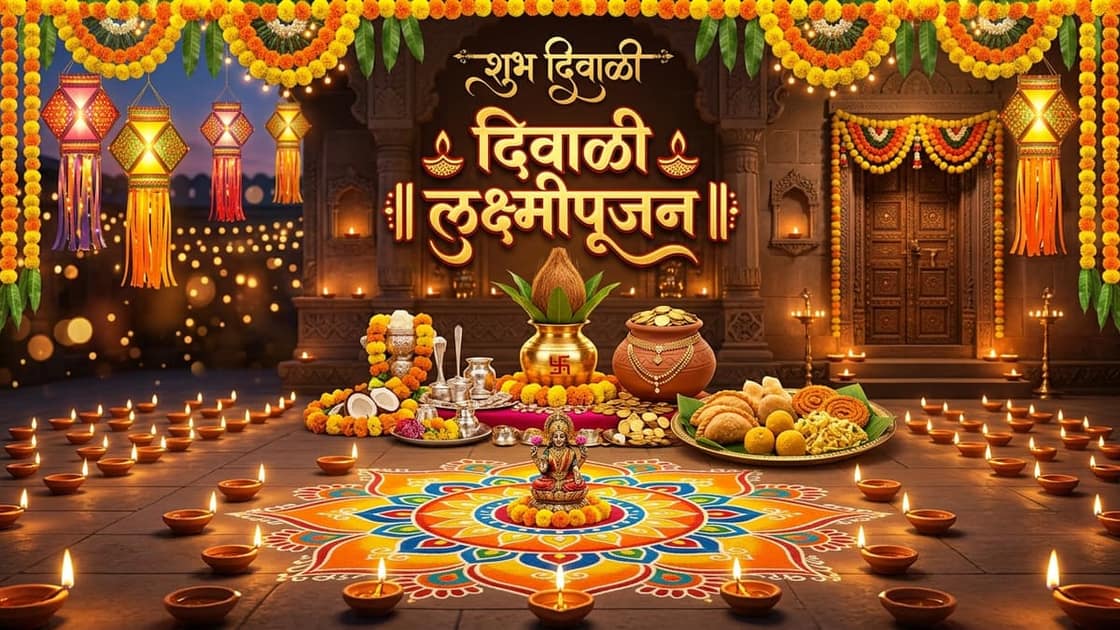
Tradition dictates that on Kartik Amavasya night, Goddess Mahalakshmi — the consort of Lord Vishnu and the bestower of wealth, fortune, and righteousness — descends to Earth and visits households that are clean, radiant with light, and filled with peaceful devotion. In every corner of Maharashtra, doorways are adorned with glowing rows of earthen lamps (Pantis), skyward-facing paper lanterns (Akashkandils), and vibrant Rangolis illustrating the divine lotus and Goddess Lakshmi's holy footsteps entering the home.
Alongside Goddess Lakshmi, devotees worship Lord Ganesha (the remover of obstacles), Goddess Saraswati (the deity of wisdom, arts, and intellect), and Lord Kubera (the celestial keeper of cosmic wealth). For merchants, traders, and corporate offices across Mumbai, Pune, and Nagpur, this evening is celebrated with Chopda Pujan — the consecration of new financial account books, registers, and computers with turmeric, kumkum, and auspicious swastika marks.
From an epic perspective, Kartik Amavasya marks the grand homecoming of Lord Rama, Sita Mata, and Lakshmana to Ayodhya after 14 years of exile and the defeat of Ravana. The ecstatic citizens of Ayodhya illuminated the kingdom with hundreds of thousands of clay oil lamps, turning the dark night into an eternal day of joy.
In Maharashtra's cultural and commercial history, the trading guilds and royal courts of the Maratha Empire under the Chhatrapatis celebrated Laxmi Pujan with state honors. Weapons, royal treasuries, and state ledgers were consecrated at Raigad, while citizens opened their doors to share Lahya-Batashe (crispy puffed paddy and sugar cakes) with every traveler and neighbor, reflecting the deep Maharashtrian ethos of egalitarian abundance.
- Welcoming Goddess Lakshmi (लक्ष्मी आगमन): Devotees maintain that Goddess Lakshmi dwells only in homes that are clean, peaceful, fragrant, and free of malice. The ritual cleansing and lighting of lamps invites lasting prosperity, peace, and spiritual harmony.
- Chopda Pujan & Ethical Commerce (हिशोबाच्या वह्यांची पूजा): Business communities perform sacred ledger worship, pledging honesty, fair pricing, and ethical enterprise in the upcoming Hindu financial year (Vikram Samvat).
- The Sacred Lahya-Batashe Tradition (लाह्या आणि बत्ताशे): In Maharashtra, the mandatory naivedya of Laxmi Pujan consists of freshly popped paddy (Lahya) and sugar candies (Batashe). Freshly harvested autumn paddy represents the agricultural heart of Maharashtra. Offering the first puffed grains of the new crop to the goddess expresses deepest gratitude to mother Earth.
- Dispersing Alakshmi (अलक्ष्मी निसारण): At midnight, after the formal worship, elderly women gently sweep the threshold with a broom or beat a winnowing basket (Soop) with the proclamation *'Alakshmi jaao, Mahalakshmi yaao'* (May misfortune and poverty leave, and may divine wealth enter).
Rituals & How to Celebrate
Traditional Foods & Bhog
Festival Calendar
Diwali Laxmi Pujan
३० आश्विन • लक्ष्मीपूजन २०२६
Related Festivals & Celebrations
संबंधित मराठी सण, उत्सव आणि व्रते
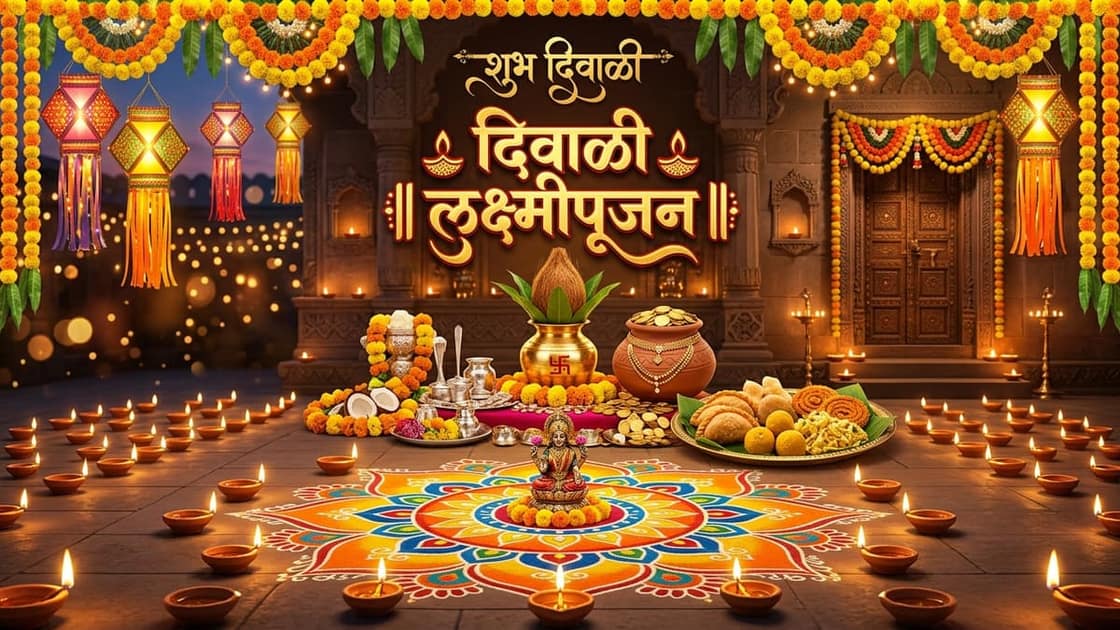 9 November
Diwali
दिवाळी २०२६
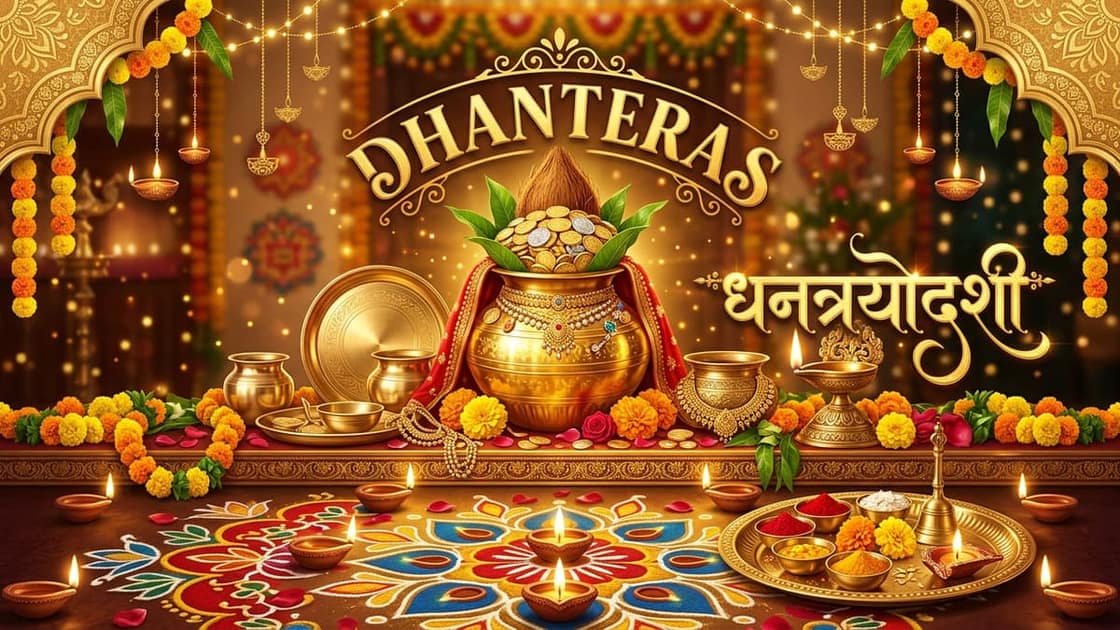 7 November
Dhanteras
धनत्रयोदशी २०२६
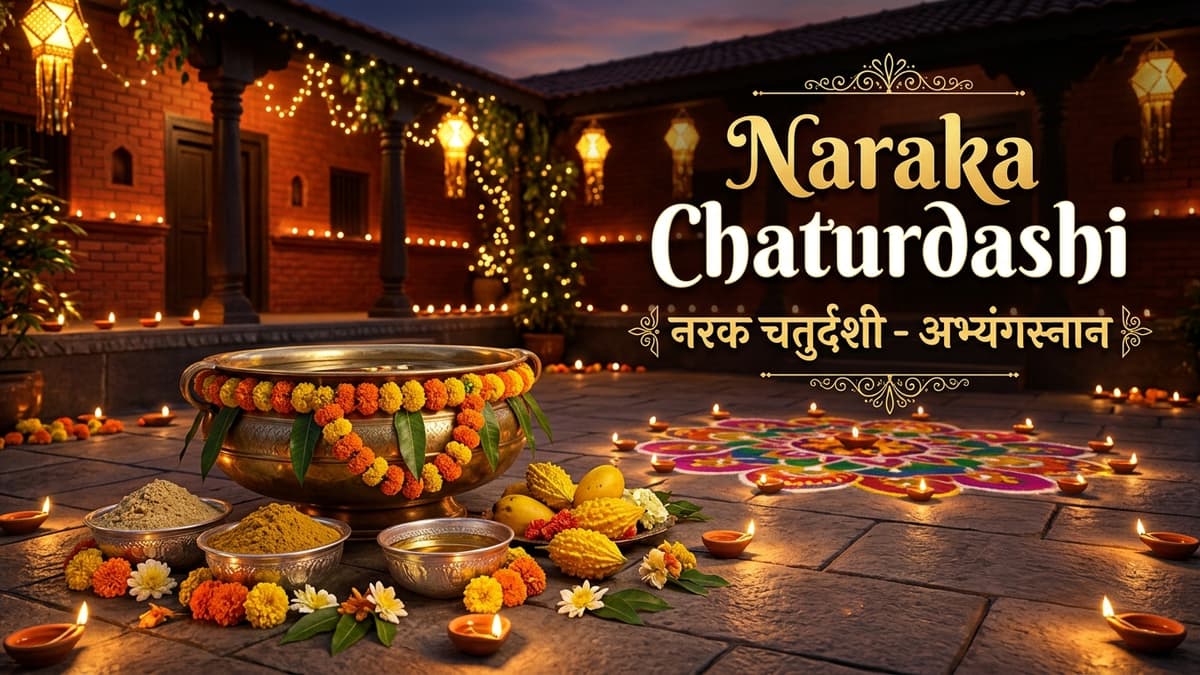 8 November
Naraka Chaturdashi
नरक चतुर्दशी
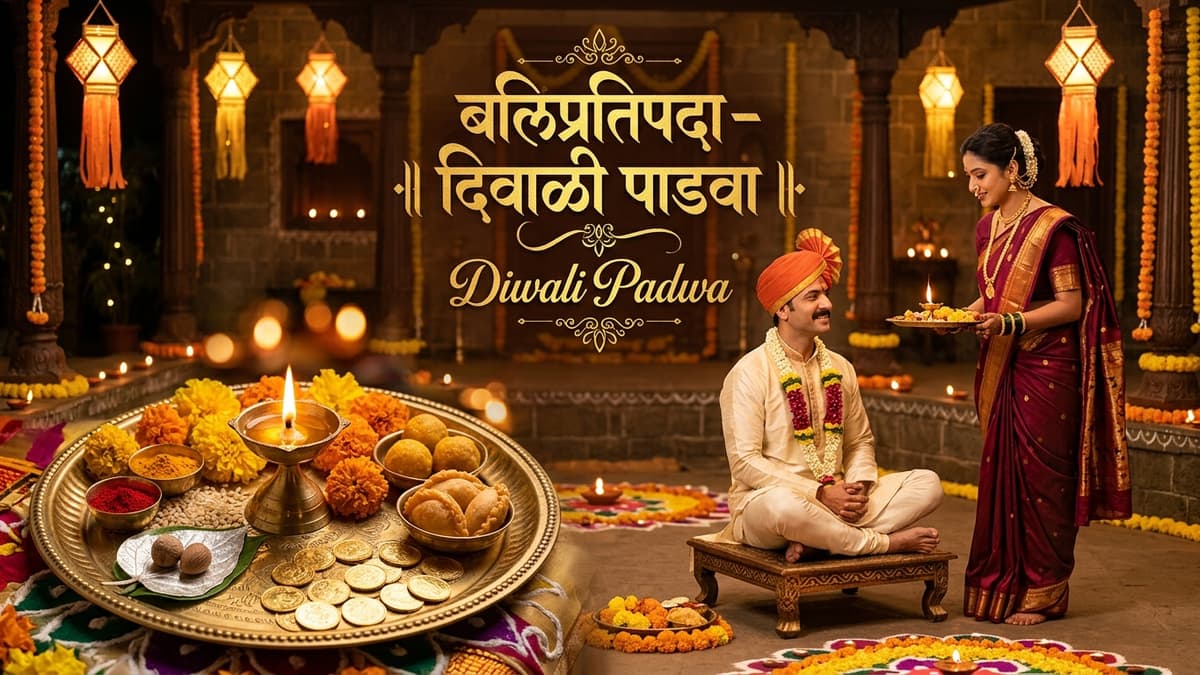 10 November
Balipratipada (Diwali Padwa)
बलिप्रतिपदा / दिवाळी पाडवा
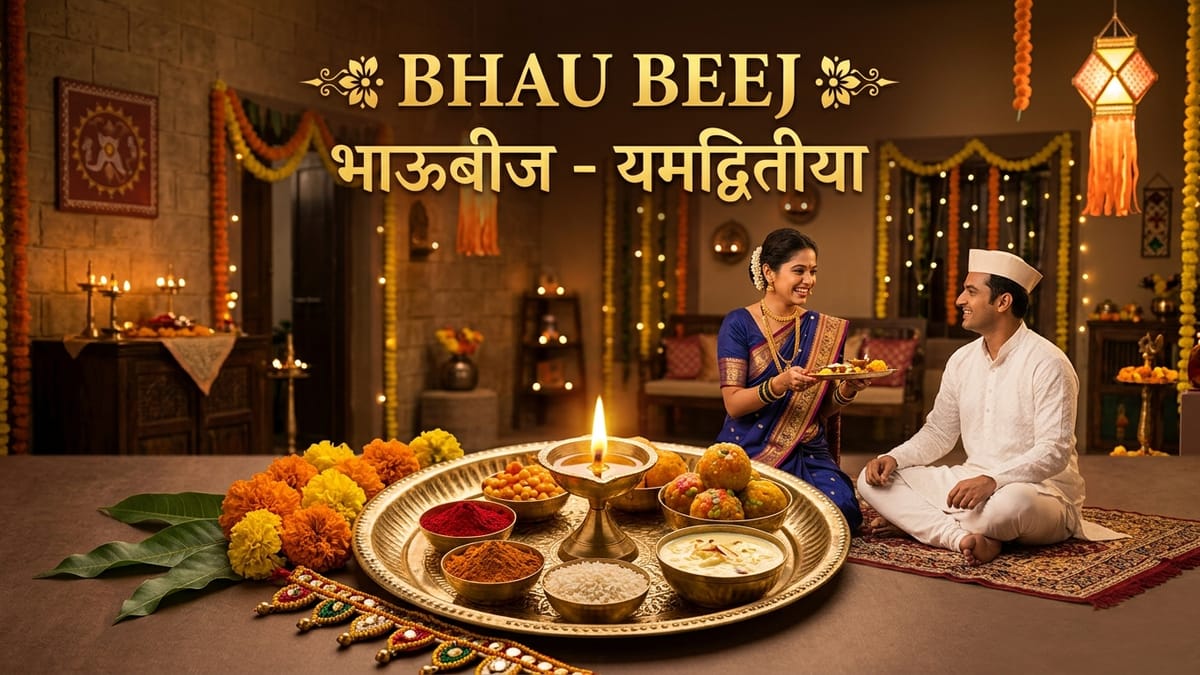 11 November
Bhau Beej
भाऊबीज २०२६
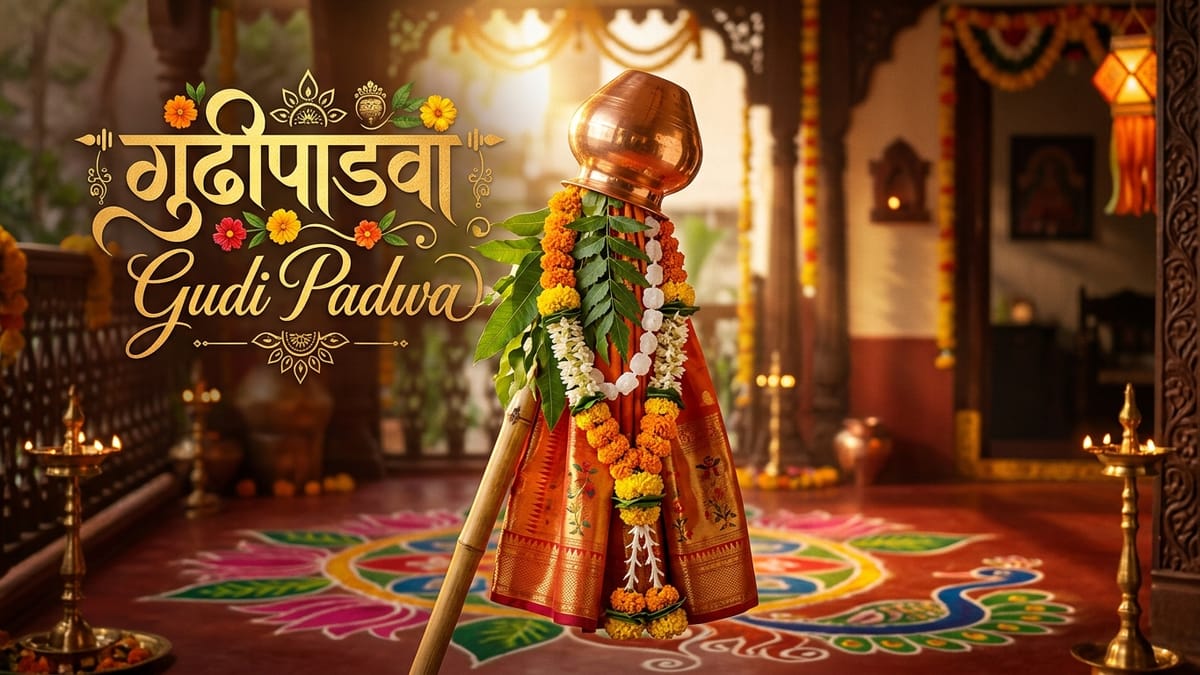 19 March
Gudi Padwa
गुढी पाडवा २०२६
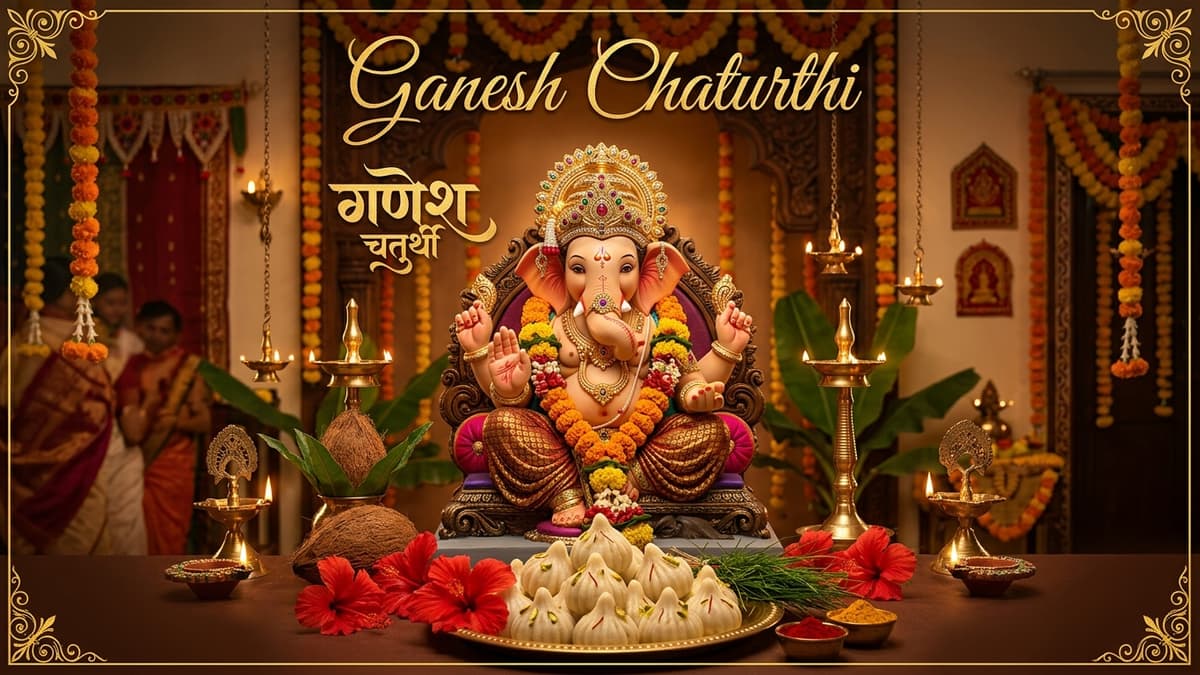 14 September
Ganesh Chaturthi
गणेश चतुर्थी २०२६
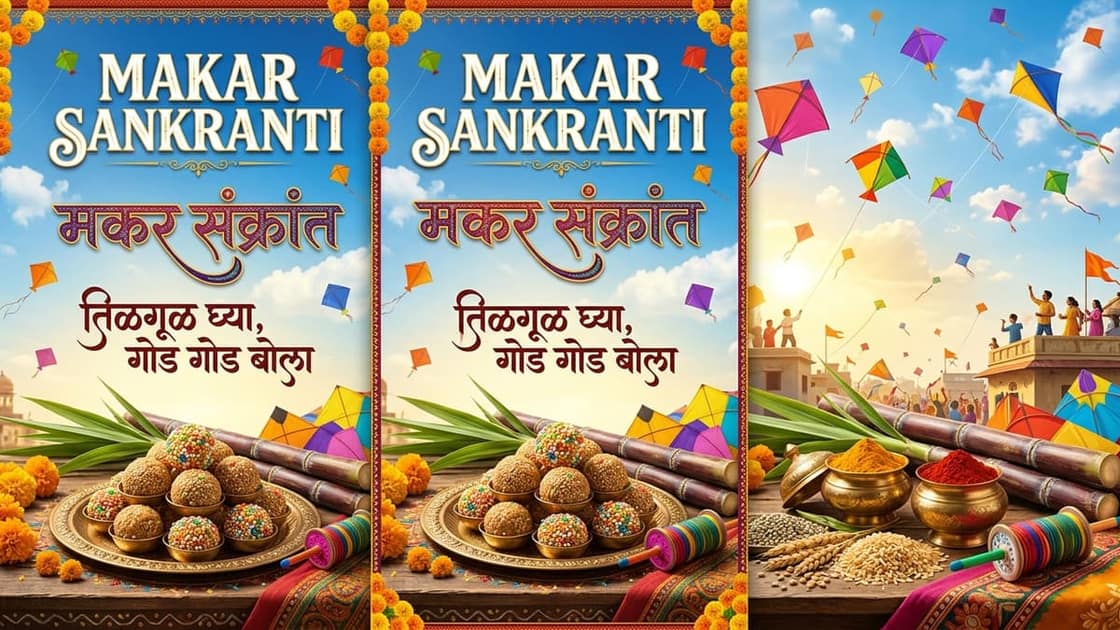 14 January
Makar Sankranti
मकर संक्रांती २०२६