
Bhau Beej 2026 | भाऊबीज २०२६
Looking for calendar views and tithis?
Read more about the exact tithi timings and planetary alignments in our comprehensive November 2026 Calendar.
About Bhau Beej(उत्सव माहिती)
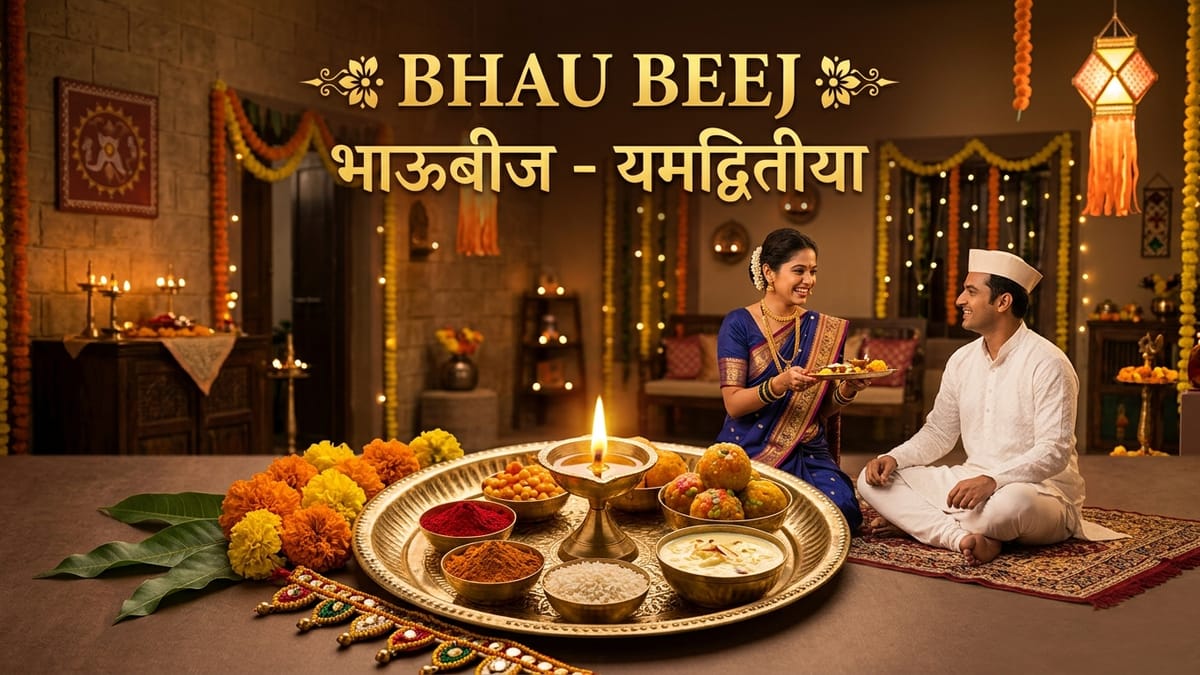
In Maharashtra, this day is celebrated with unmatched cultural tenderness. Married sisters eagerly await the arrival of their brothers at their homes. A decorative wooden seat (Pat) is laid on the floor, bordered with vibrant geometric Rangoli patterns. The brother is seated facing East or North, and his sister performs the ancient ritual of Auchan (ओवाळणी) using a shining brass plate holding a lighted ghee lamp (Niranjan), scented flowers, and vermilion.
After applying a protective sandalwood and kumkum tilak, the sister feeds her brother festive sweets like Basundi, Puran Poli, or Karanji. In return, the brother presents his sister with thoughtful gifts (Bhau Beej Bhet), pledges his lifelong protection, and touches the feet of elder sisters to seek their sacred blessings. The day culminates in a grand festive feast where the entire extended family rejoices together.
1. The Legend of Lord Yama and Goddess Yamuna (Yamadvitiya): The Sun God Surya had two divine children: Yama (the God of Justice and Death) and his sister Yamuna (the sacred river goddess). Despite her repeated invitations, busy Yama was unable to visit his sister for centuries. Finally, on Kartik Shukla Dwitiya, Yama arrived unexpectedly at Yamuna's doorstep. Overjoyed, Yamuna welcomed her brother with open arms, decorated his forehead with a holy vermilion tilak, and prepared a lavish banquet of his favorite delicacies. Deeply touched by her pure love, Lord Yama told Yamuna to ask for any boon. Yamuna requested: *'O brother! May this day be immortalized. Any brother who visits his sister on Kartik Dwitiya, eats food prepared by her hand, and receives her loving Auchan shall be freed from fear of premature death (Apmrityu) and the torment of hell.'* Lord Yama granted the boon, naming the day Yamadvitiya.
2. Lord Krishna and Sister Subhadra: Following the slaying of the demon Narakasura on Naraka Chaturdashi, Lord Krishna travelled to meet his beloved sister Subhadra. Subhadra received Krishna with triumphant jubilation, washed his feet, applied a protective sandalwood tilak on his forehead, and performed Aarti with sweet prayers of gratitude, gifting him festive sweets.
- Spiritual Shield of Long Life (दीर्घायुष्य रक्षा): The sister's Aarti and prayers act as a spiritual shield guarding the brother against illnesses, accidents, and premature demise.
- Honoring Married Daughters & Sisters: In traditional Maharashtrian culture, Bhau Beej provides a dedicated cultural occasion for brothers to travel to their married sisters' homes, ensuring married women feel deeply cherished, supported, and connected to their maternal roots (Maher).
- Sibling Reconciliation: Any misunderstandings, sibling rivalries, or distance that may have arisen during the year are dissolved on Bhau Beej over shared sweets and heartfelt prayers.
- The Evening Crescent Moon Darshan (द्वितीया चंद्रदर्शन): In Maharashtra, seeing the tender crescent moon on Bhau Beej evening is considered a divine omen, bringing peace, marital happiness, and domestic tranquility.
Rituals & How to Celebrate
Traditional Foods & Bhog
Festival Calendar
Bhau Beej
२ कार्तिक • भाऊबीज २०२६
Related Festivals & Celebrations
संबंधित मराठी सण, उत्सव आणि व्रते
 9 November
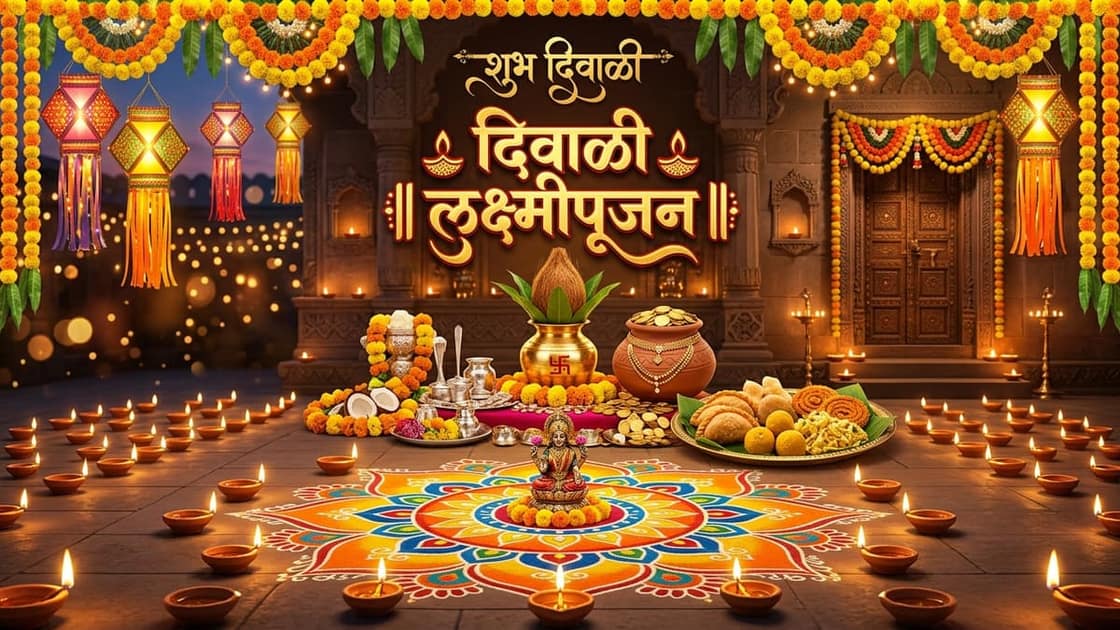
Diwali
दिवाळी २०२६
 10 November
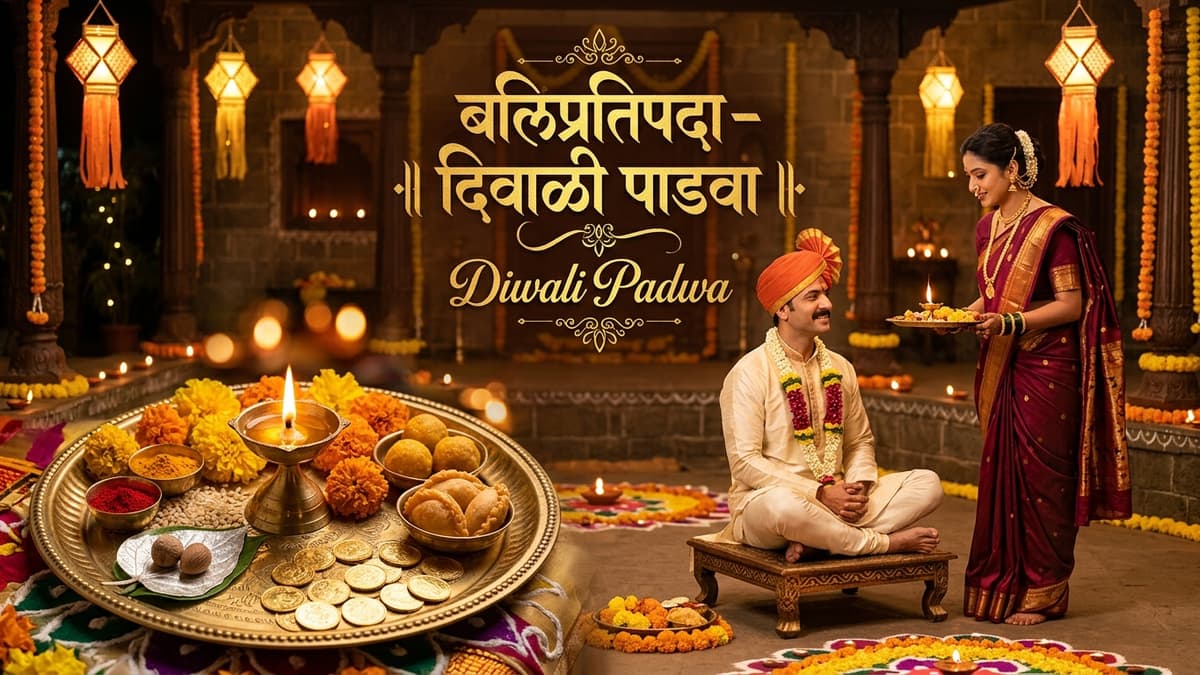
Balipratipada (Diwali Padwa)
बलिप्रतिपदा / दिवाळी पाडवा
 9 November
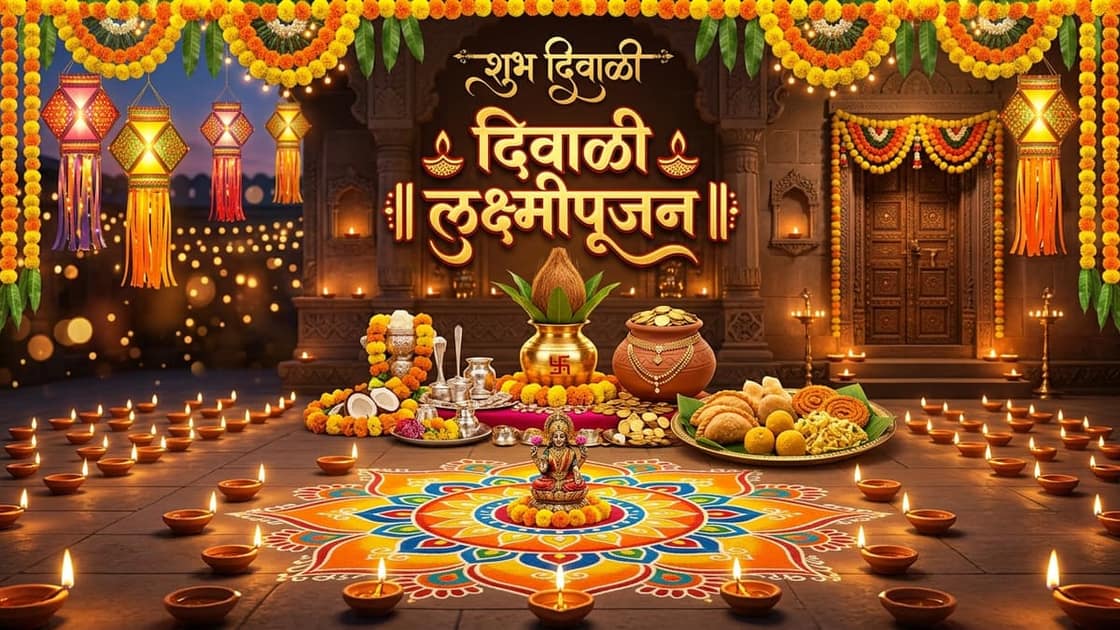
Diwali Laxmi Pujan
लक्ष्मीपूजन २०२६
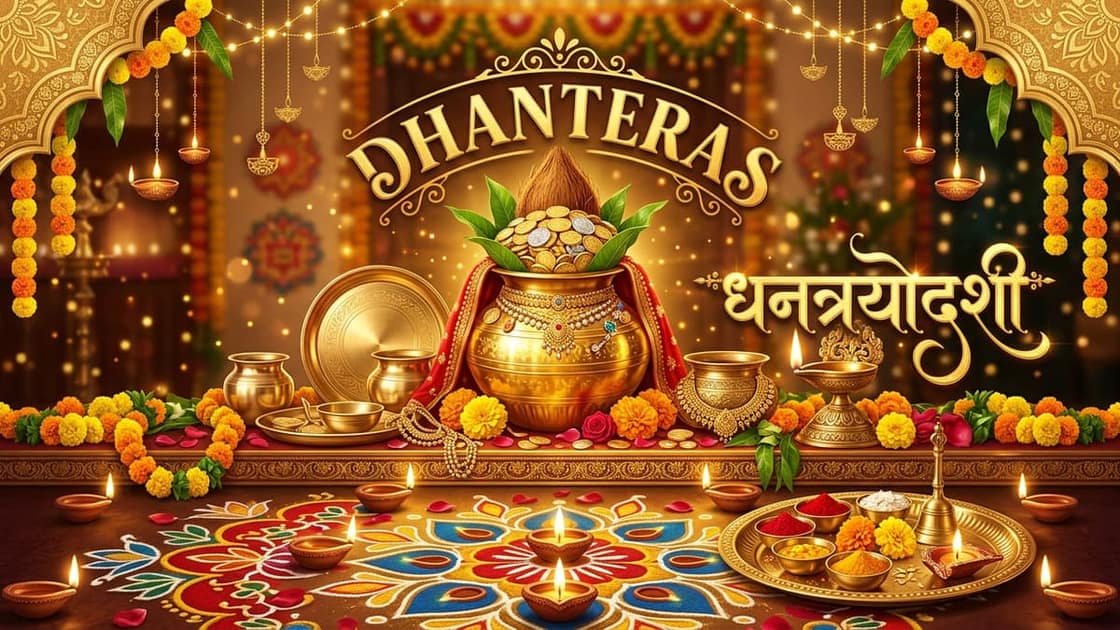 7 November
Dhanteras
धनत्रयोदशी २०२६
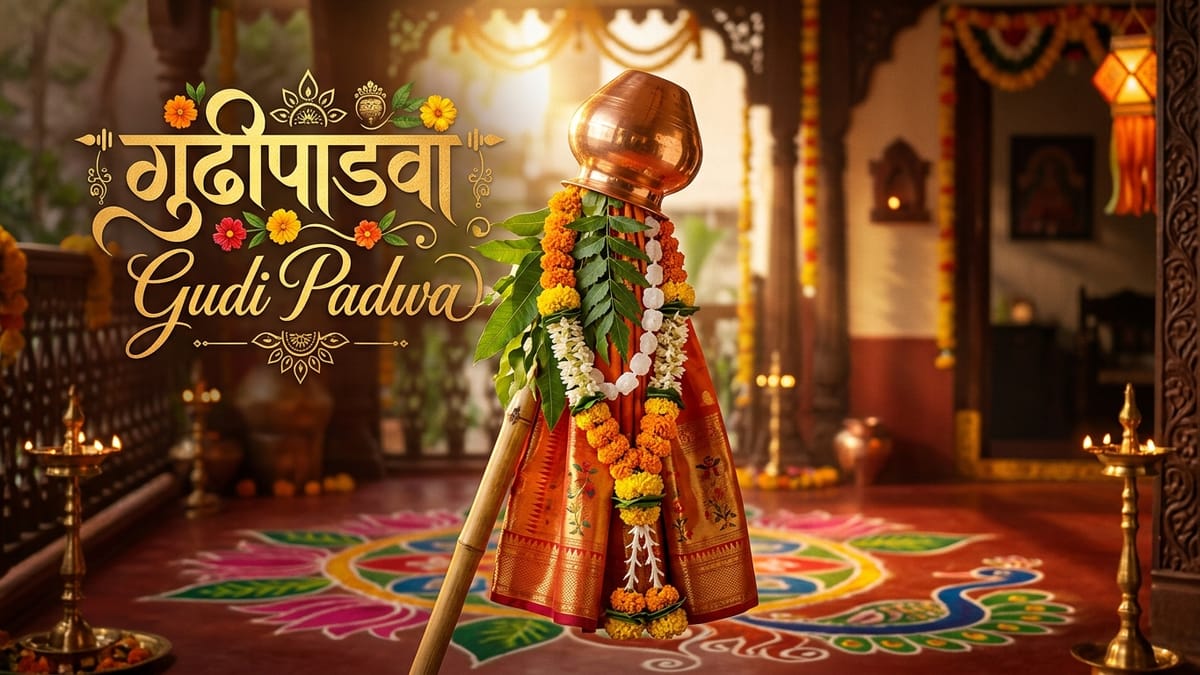 19 March
Gudi Padwa
गुढी पाडवा २०२६
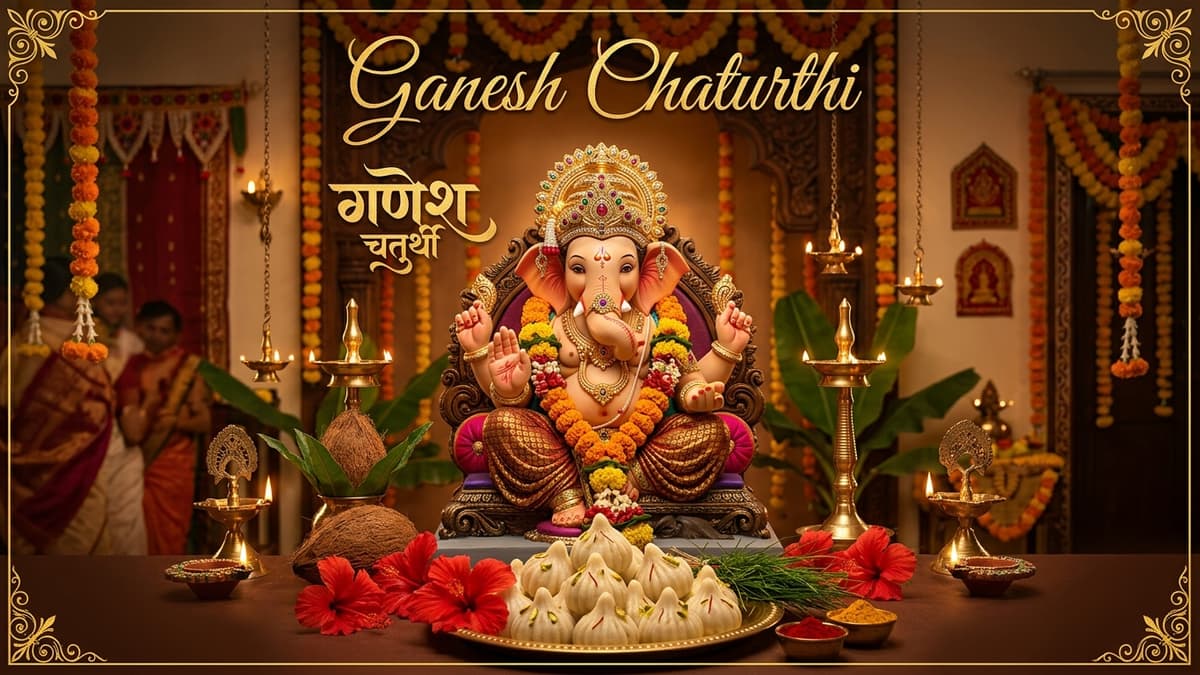 14 September
Ganesh Chaturthi
गणेश चतुर्थी २०२६
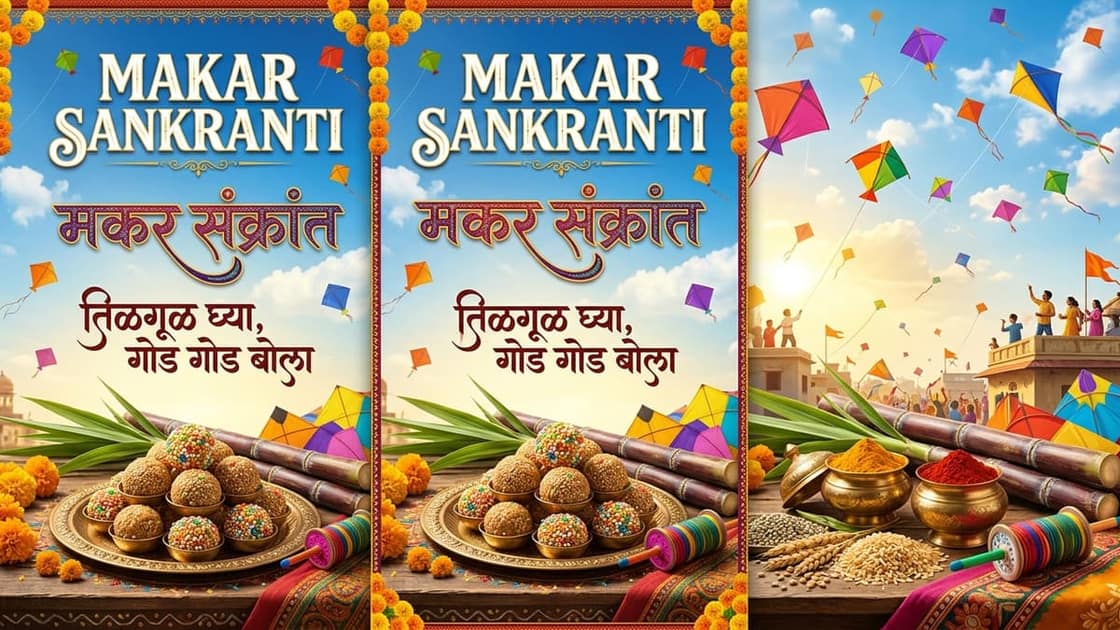 14 January
Makar Sankranti
मकर संक्रांती २०२६
 25 June
Ashadhi Ekadashi
आषाढी एकादशी