
Makar Sankranti 2026 | मकर संक्रांती २०२६
Looking for calendar views and tithis?
Read more about the exact tithi timings and planetary alignments in our comprehensive January 2026 Calendar.
About Makar Sankranti(उत्सव माहिती)
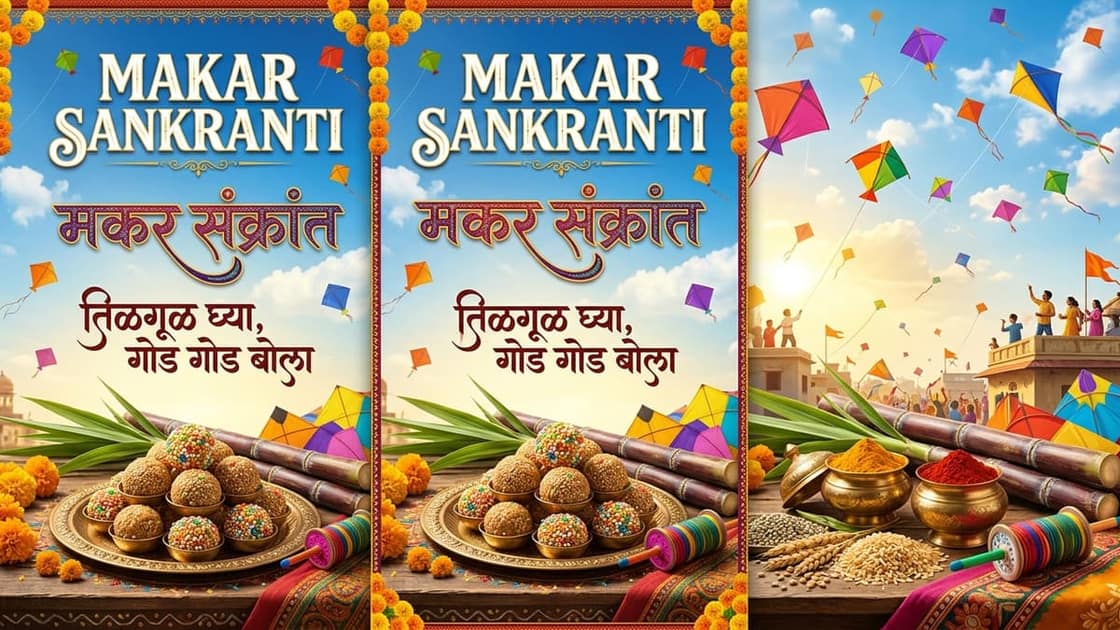
In Maharashtra, the festival spans three consecutive celebration days: Bhogi (भोगी), Sankranti (संक्रांती), and Kinkranti (किंक्रांती / Kar Din). On Bhogi (the day prior), families prepare the iconic Bhogichi Bhaji — an earthen pot medley of winter harvest vegetables (eggplant, tender green chickpeas, carrots, flat beans) infused with roasted sesame and fresh coconut, savored with piping hot Bajra Bhakri smothered with fresh white churned butter (Loni).
On Sankranti day, the air is filled with greetings of *'तिळगूळ घ्या, आणि गोड गोड बोला!'* (Tilgul ghya, aani god god bola — 'Accept this sweet sesame-jaggery, and speak sweetly to one another'). Sesame (Til) and unrefined cane jaggery (Gul) hold deep Ayurvedic significance, generating essential body warmth and nourishing the skin during dry winter. Married women celebrate Haldi-Kunku (हळदी-कुंकू) across the month of Paush, wearing elegant black sarees (especially the traditional Chandrakala silk saree) adorned with ornaments crafted from delicate sugar beads (Halwyache Dagane). Rooftops in cities like Pune, Nagpur, Solapur, and Nashik buzz with high-flying kite duels under clear blue skies.
1. Surya and Shani Reconciliation: In Sanatana astronomy and Puranic lore, Makar Rashi is ruled by Lord Shani (Saturn), the astrological son of Surya (the Sun God). Despite mythological estrangement, on Makar Sankranti, Surya visits the house of his son Shani for a month. Hence, this day symbolizes forgiveness, the healing of family relationships, and starting anew without lingering bitterness.
2. The Legend of Bhishma Pitamaha: In the Mahabharata epic, the grand patriarch Bhishma Pitamaha lay on a bed of arrows, utilizing his boon of *Iccha Mrityu* (death at will) to wait for the auspicious onset of Uttarayan before shedding his mortal coil and attaining Moksha.
3. Maratha Empire & Peshwa Customs: In Maharashtra's historical chronicles, Makar Sankranti was an occasion of great civic bonding. The Peshwas held royal Haldi-Kunku assemblies at Shaniwar Wada, distributing sugar-candy ornaments and gifts of grain, cotton, and gold coins to royal families and common citizens alike.
- Ayurvedic Winter Nourishment: Sesame seeds and jaggery are natural powerhouses of iron, calcium, and good fats. In harsh winter, consuming Til-Gul and Bajra Bhakri strengthens immunity and balances Vata and Kapha doshas.
- Social Harmony & Goodwill: The sharing of Tilgul serves as a social equalizer and peace treaty. The greeting urges people to forget past misunderstandings, quarrels, or harsh words, renewing friendships with sweetness.
- Haldi-Kunku & Female Bonding: The gathering of married women (Suhasinis) strengthens maternal and neighborly networks, where gifts (Vana) of clay pots (Sugad), fresh sugarcane, carrots, and kitchen utility items are exchanged.
- Kite Flying & Vitamin D Synthesis: Spending hours outdoors flying kites under the gentle winter sun allows the body to absorb beneficial vitamin D from solar rays.
Rituals & How to Celebrate
Traditional Foods & Bhog
Festival Calendar
Makar Sankranti
२६ पौष • मकर संक्रांती २०२६
Related Festivals & Celebrations
संबंधित मराठी सण, उत्सव आणि व्रते
 19 March
Gudi Padwa
गुढी पाडवा २०२६
 19 April
Akshaya Tritiya
अक्षय तृतीया २०२६
 15 February
Maha Shivaratri
महाशिवरात्री २०२६
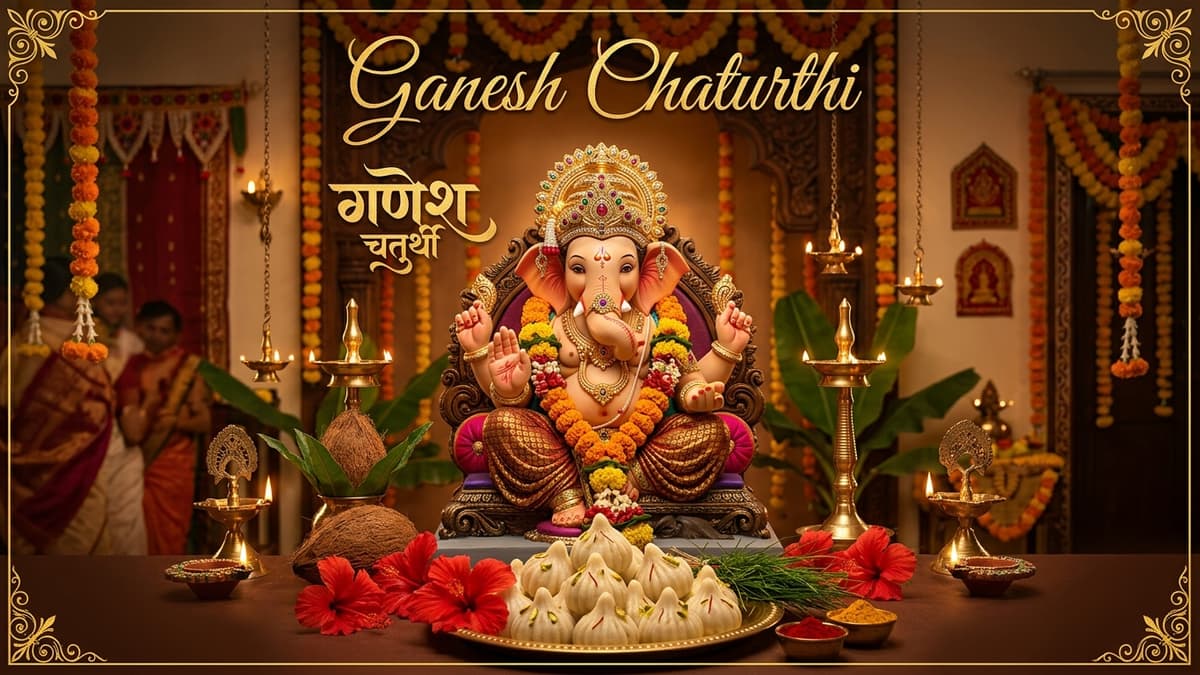 14 September
Ganesh Chaturthi
गणेश चतुर्थी २०२६
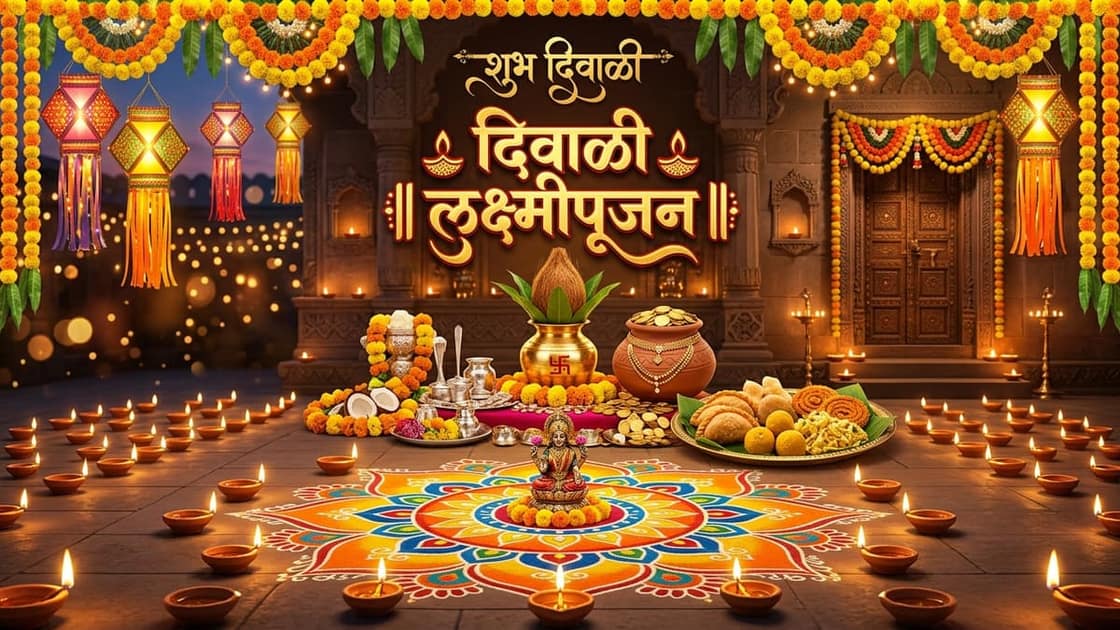 9 November
Diwali
दिवाळी २०२६
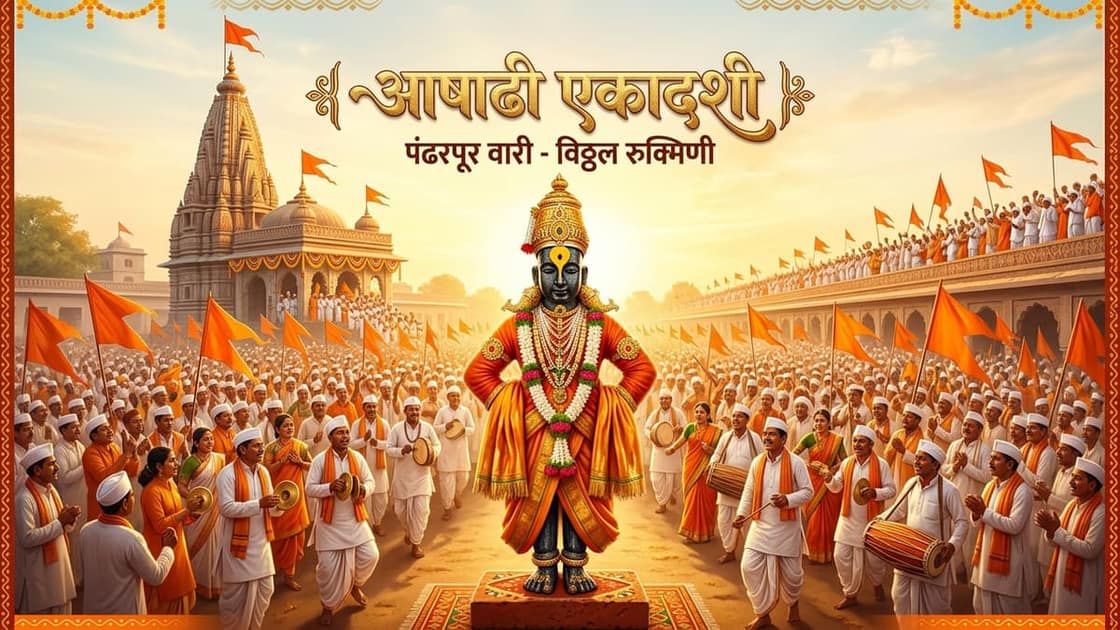 25 June
Ashadhi Ekadashi
आषाढी एकादशी
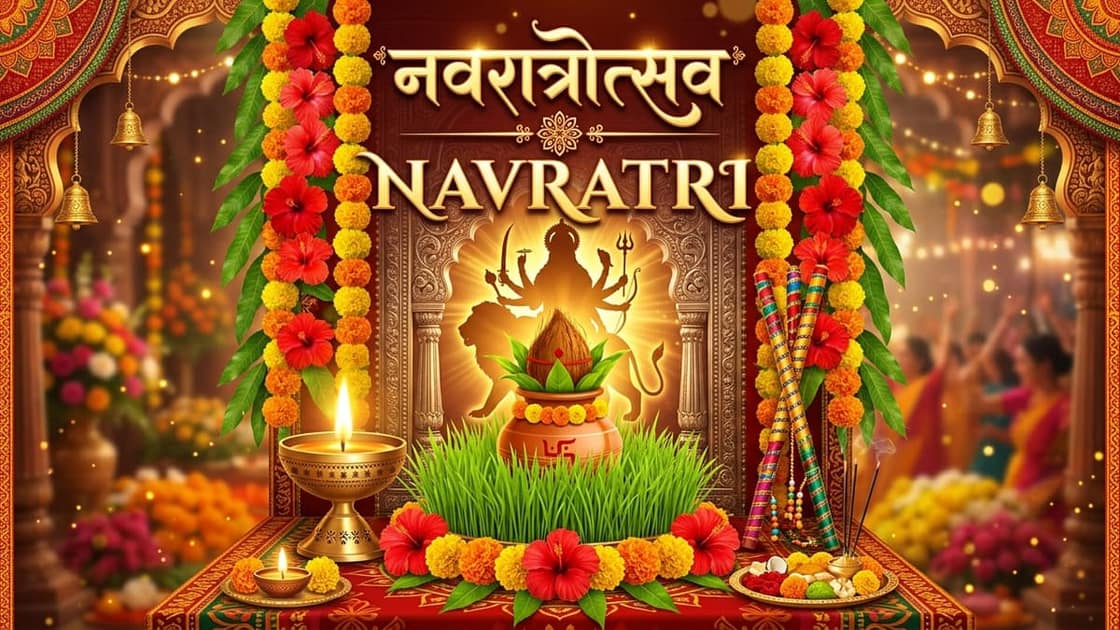 11 October
Navratri
नवरात्री
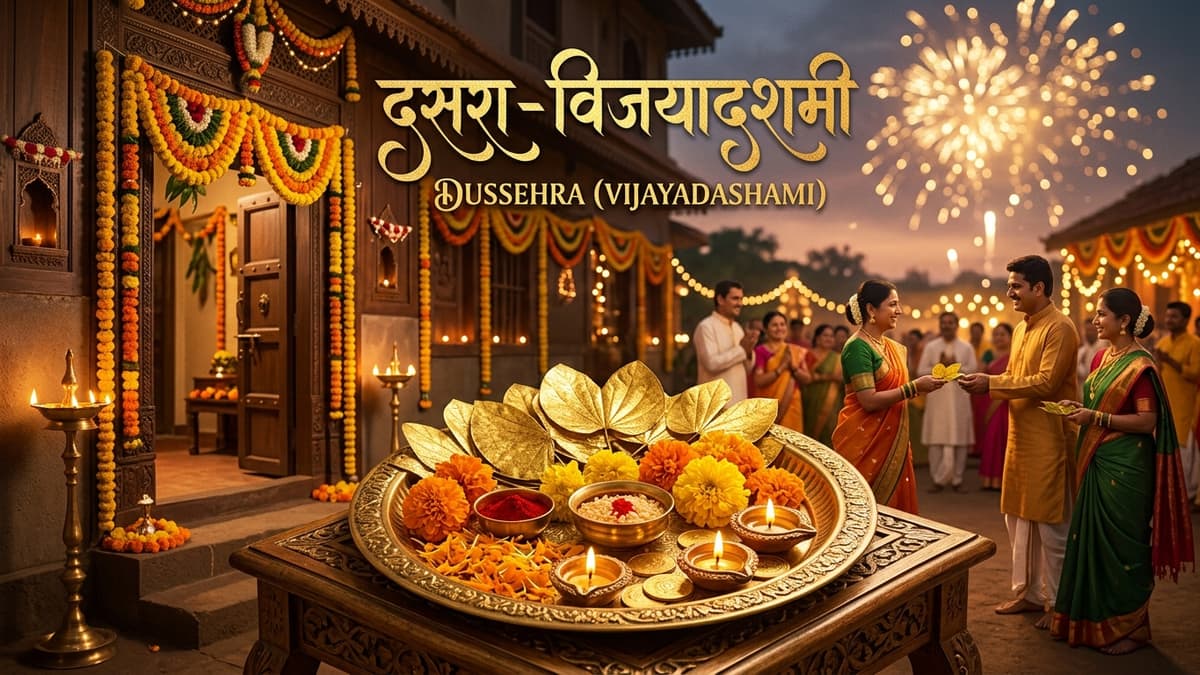
Dussehra (Vijayadashami)
दसरा / विजयादशमी