
Dussehra (Vijayadashami) 2026 | दसरा / विजयादशमी
Looking for calendar views and tithis?
Read more about the exact tithi timings and planetary alignments in our comprehensive October 2026 Calendar.
About Dussehra (Vijayadashami)(उत्सव माहिती)
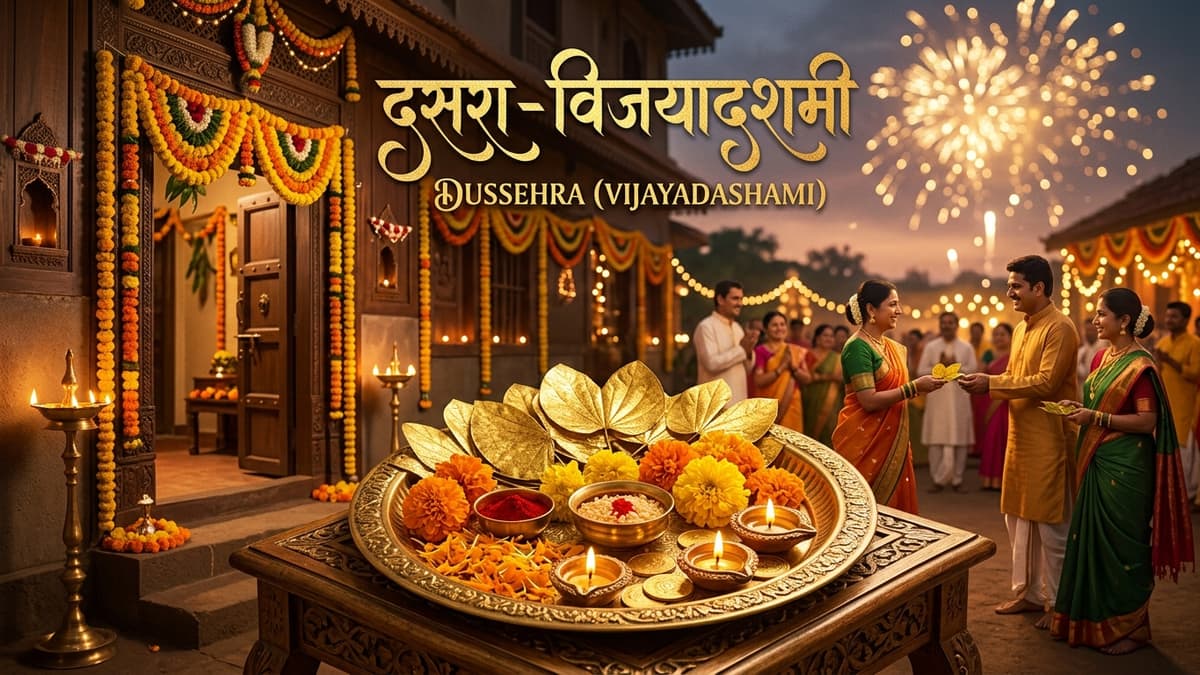
Across Maharashtra, the day has an unmistakable sensory atmosphere: doorways are adorned with vibrant golden-orange Zendu (Marigold) torans and mango leaves, vehicles and home equipment glisten with red Chandan and garlands for Ayudha Puja (शस्त्र / अवजार पूजा), and kitchens aroma with pure ghee, hot dal, and sweet Puran Poli or Shrikhand Puri.
As twilight descends on Dussehra evening, the unique Maharashtrian community ritual of Simollanghan (सीमोल्लंघन) and Apta Pujan (आपट्याची पूजा) takes center stage. Families dress in their finest Paithani sarees and festive Kurtas to visit local Shami and Apta (*Bauhinia racemosa*) trees. Devotees reverently touch the tree branches, pray for fortitude, collect the tender heart-shaped green leaves, and visit friends, relatives, and village elders. Presenting these fresh leaves as symbolic gold (*'सोनं घ्या आणि सोन्यासारखे रहा!'* — 'Accept this gold and remain precious as gold'), younger family members touch the feet of their elders to receive blessings (*Aashirwad*), dissolving old grudges in an embrace of goodwill.
1. The Legend of Kautsa and the Shower of Gold: The Skanda Purana narrates the tale of young scholar Kautsa, who insisted on paying his Guru Varatantu a Guru Dakshina of 14 crore gold coins. Kautsa approached the generous King Raghu (ancestor of Rama). Having just emptied his treasury in a charitable sacrifice, King Raghu resolved to wage war on Lord Kubera (the treasurer of the gods) to obtain the gold. To avoid cosmic war, Kubera miraculously rained down millions of gold coins upon the leaves of the Shami and Apta trees bordering Raghu's capital. Kautsa took only what his Guru requested; the remaining mountain of gold was distributed joyfully to all subjects. Ever since, Maharashtrians exchange Apta leaves as symbolic gold (*Suvarna*).
2. The Pandavas & The Shami Tree: During their 13th year of exile incognito (*Agyatvas*), the five Pandavas concealed their divine celestial weapons (including Arjuna's Gandiva bow) inside the hollow bark of a Shami tree near Virata's kingdom. On Vijayadashami, they retrieved their weapons, worshiped the tree in gratitude, and defeated the Kaurava army, heralding their rightful restoration.
3. Chhatrapati Shivaji Maharaj & Maratha Simollanghan: For the Maratha Empire, Dussehra was the official opening of the military campaigning season. During the four monsoon months, Maratha cavalry (Bargirs and Shiledars) rested and tended their farmland. On Dussehra day, Chhatrapati Shivaji Maharaj and later the Peshwas assembled the Maratha army, performed Shastra Puja on swords, cannons, and warhorses, and crossed the formal kingdom boundaries (*Simollanghan*) to launch sovereign campaigns against oppressive imperial regimes.
- Sade-Teen Muhurta (साडेतीन मुहूर्त): One of the rare days of absolute astrological auspiciousness where any business venture, house possession (Griha Pravesh), vehicle purchase, or educational milestone initiated is destined for victory and endurance.
- Social Cohesion through Apta Gold: The act of walking from home to home distributing Apta leaves bridges generation gaps and reconciles broken ties through humility and shared joy.
- Ayudha Puja & Dignity of Labor: Worshiping the tools of one's trade — from agricultural sickles and weaving looms to modern laptops, machinery, and vehicles — sanctifies human labor as divine worship.
Rituals & How to Celebrate
Traditional Foods & Bhog
Festival Calendar
Dussehra
१० आश्विन • दसरा
Related Festivals & Celebrations
संबंधित मराठी सण, उत्सव आणि व्रते
 11 October
Navratri
नवरात्री
 19 March
Gudi Padwa
गुढी पाडवा २०२६
 19 April
Akshaya Tritiya
अक्षय तृतीया २०२६
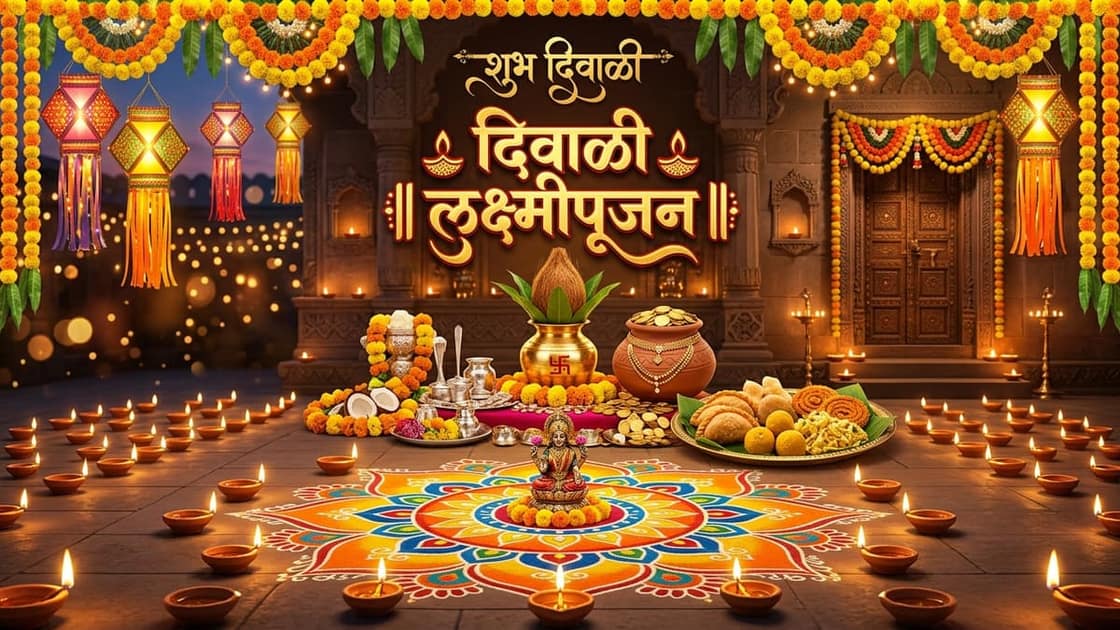 9 November
Diwali
दिवाळी २०२६
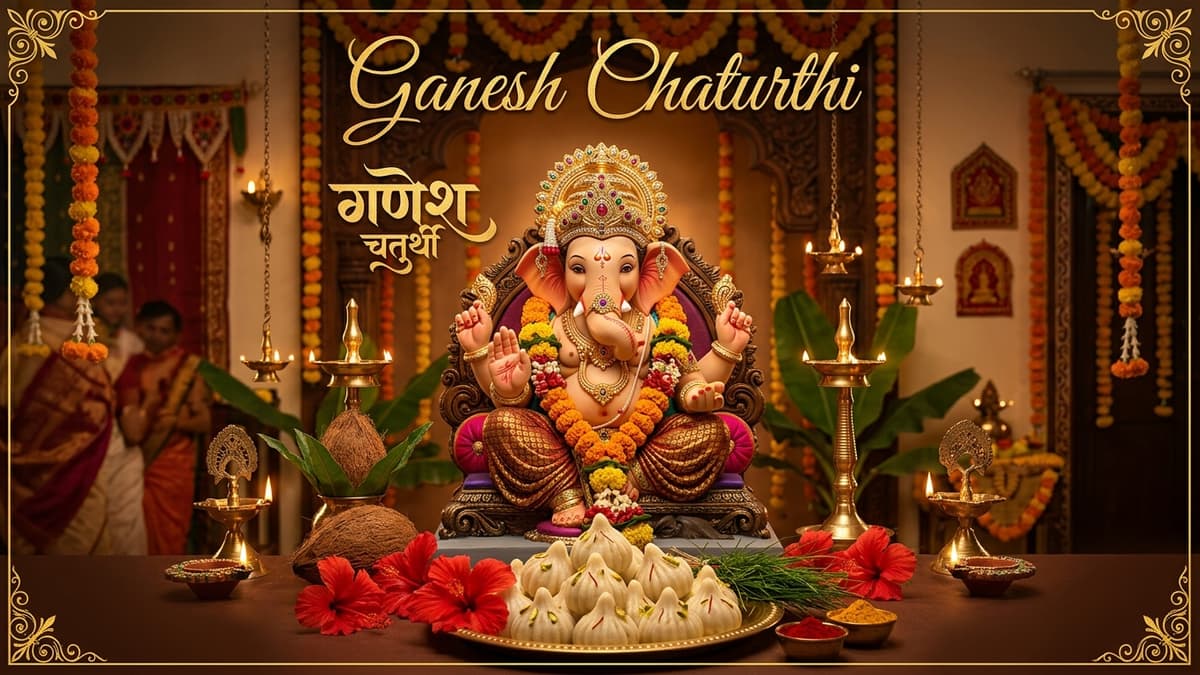 14 September
Ganesh Chaturthi
गणेश चतुर्थी २०२६
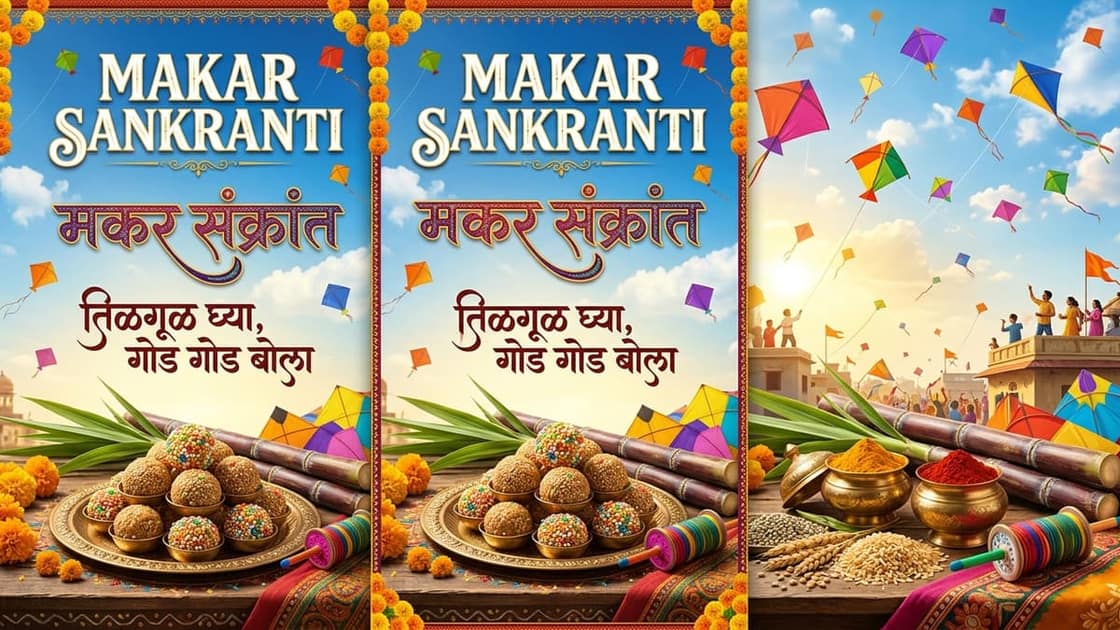 14 January
Makar Sankranti
मकर संक्रांती २०२६
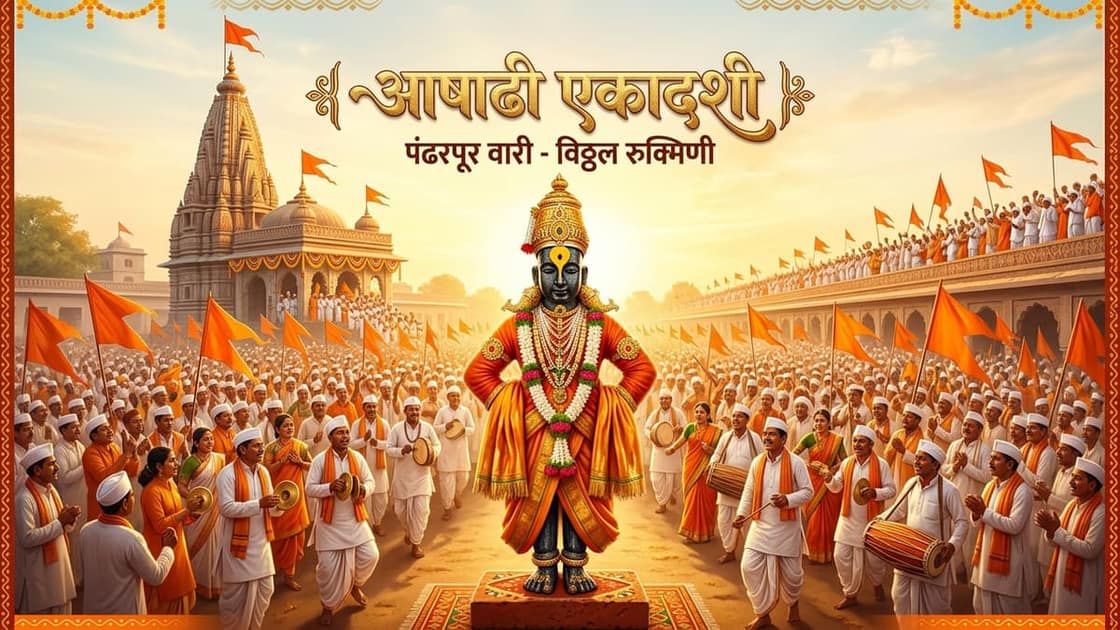 25 June
Ashadhi Ekadashi
आषाढी एकादशी
 15 February
Maha Shivaratri
महाशिवरात्री २०२६