
Naraka Chaturdashi 2026 | नरक चतुर्दशी
Looking for calendar views and tithis?
Read more about the exact tithi timings and planetary alignments in our comprehensive November 2026 Calendar.
About Naraka Chaturdashi(उत्सव माहिती)
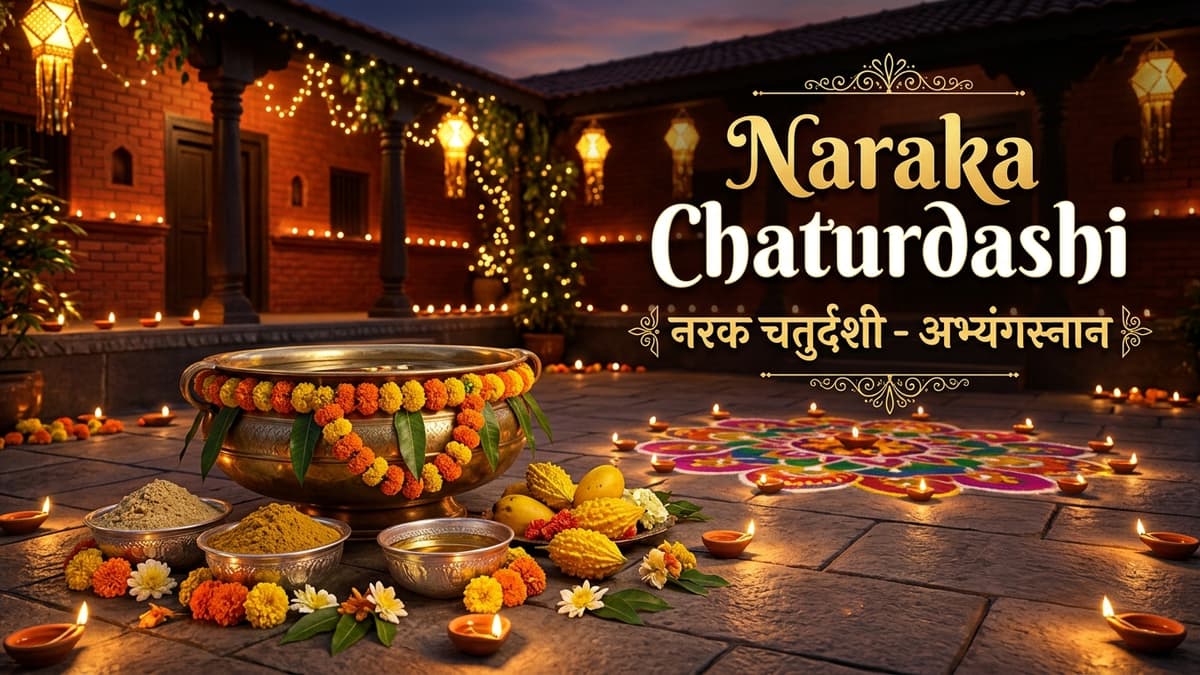
In Maharashtra, the soul of Naraka Chaturdashi lies in the sacred pre-dawn ritual of Abhyanga Snan (अभ्यंगस्नान). Long before sunrise, families wake up to the festive chill of early winter. Mothers and sisters massage family members with warm herbal oils and scented Utane (उटणे) — an aromatic Ayurvedic scrub made from sandalwood, vetiver, rose petals, and turmeric. Before bathing, each family member steps on a small bitter green melon called Karit (कारीट), crushing it under their left foot to symbolize the destruction of inner demons, ego, and negativity.
Following the purifying bath, family members dress in resplendent new festive garments, receive traditional Aarti (Owalani) from the women of the house, and sit together for the first grand feast of homemade Diwali Faral (freshly prepared Chaklis, sweet Karanjis, Besan Ladoos, and spicy Chivda). Balconies and courtyards are illuminated with glowing paper lanterns (Akashkandil) and strings of oil lamps (Panti).
The Devas pleaded with Lord Krishna for salvation. Accompanied by his fierce queen Satyabhama, Lord Krishna rode Garuda into Narakasura's stronghold. In a momentous battle, Lord Krishna and Satyabhama vanquished Narakasura on Kartik Krishna Chaturdashi. Dying, Narakasura repented and requested that his death anniversary be celebrated with light and rejoicing rather than mourning.
Lord Krishna bathed before sunrise with medicinal oils and warm waters to cleanse the battle dust and demon blood, returning triumphantly to a festively lit city. Hence, waking up before dawn to take the medicinal Abhyanga Snan and lighting lamps has been practiced across India and Maharashtra for thousands of years.
- Pre-Dawn Abhyanga Snan Benefits: In Ayurveda, Kartik marks the onset of the cool Hemant Ritu. The skin becomes dry, and the Vata dosha accumulates. Applying warm sesame or mustard oil and scrubbing with herbal Utane deeply moisturizes the dermal layers, stimulates blood circulation, soothes joint aches, and boosts winter immunity.
- The Unique Karit Crushing Tradition (कारीट फोडणे): Unique to Maharashtra and Goa, crushing the bitter Karit fruit under the foot represents smashing our inner vices (anger, jealousy, greed, and ego). Touching a drop of its bitter juice to the tongue before tasting sweet festive food serves as a lifelong philosophical reminder that one must digest life's bitter trials with equanimity to truly relish its sweet blessings.
- Family Bonding & Owalani: Sisters perform Aarti for their brothers, and wives for their husbands, offering auspicious blessings and exchanging gifts that reinforce family love and mutual respect.
- Dispelling Spiritual Darkness: Lighting earthen lamps (Pantis) at dawn symbolizes banishing ignorance (Tamas) and welcoming the dawn of divine righteousness and wisdom.
Rituals & How to Celebrate
Traditional Foods & Bhog
Festival Calendar
Naraka Chaturdashi
२९ आश्विन • नरक चतुर्दशी
Related Festivals & Celebrations
संबंधित मराठी सण, उत्सव आणि व्रते
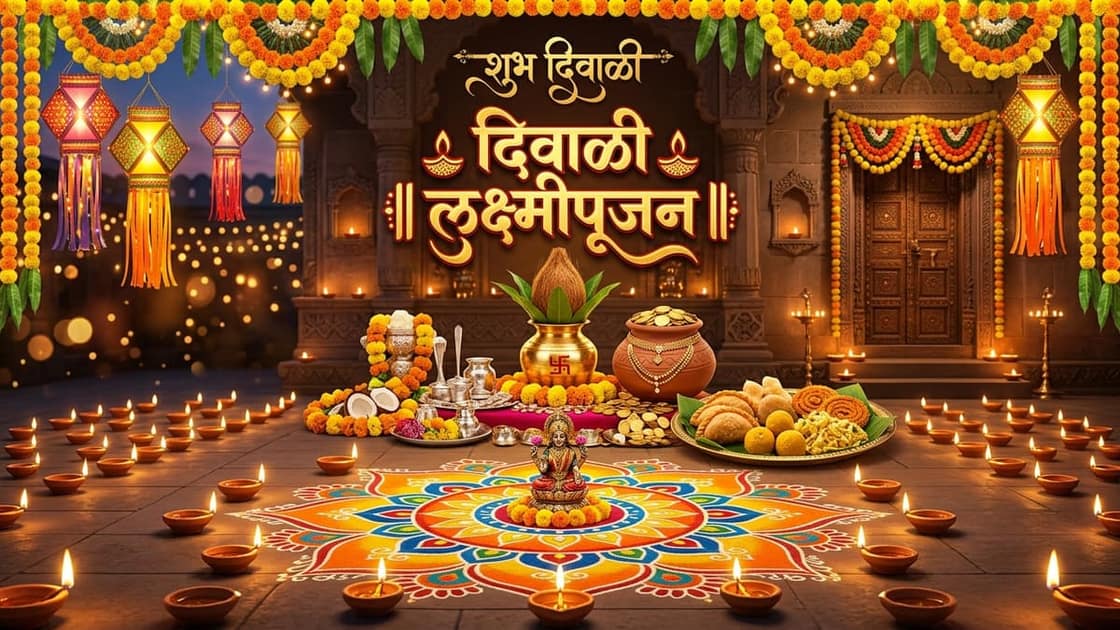 9 November
Diwali
दिवाळी २०२६
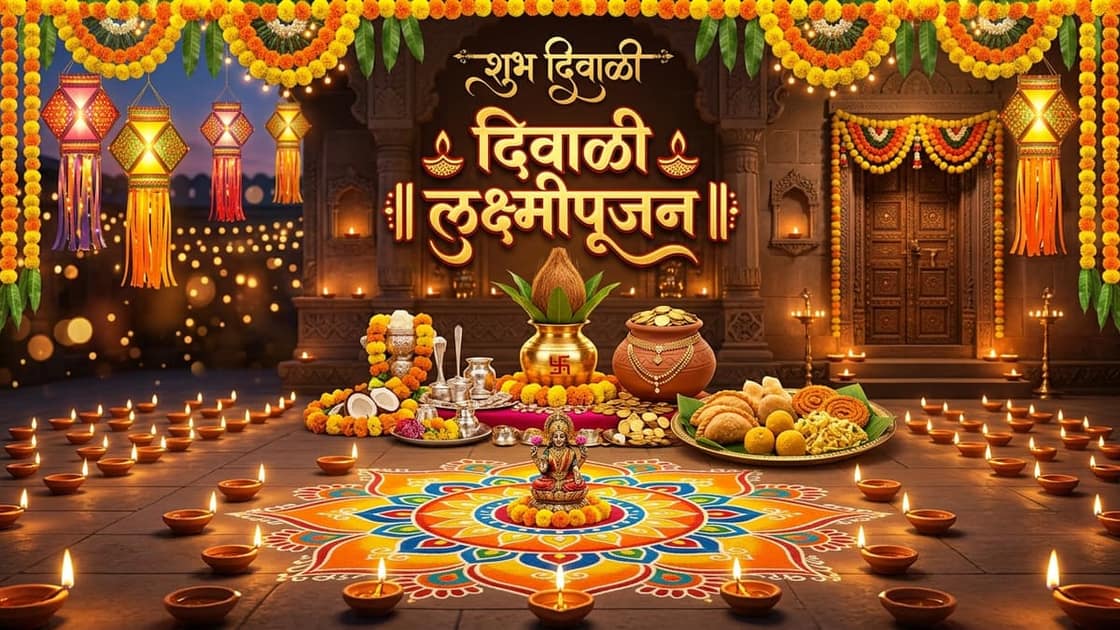 9 November
Diwali Laxmi Pujan
लक्ष्मीपूजन २०२६
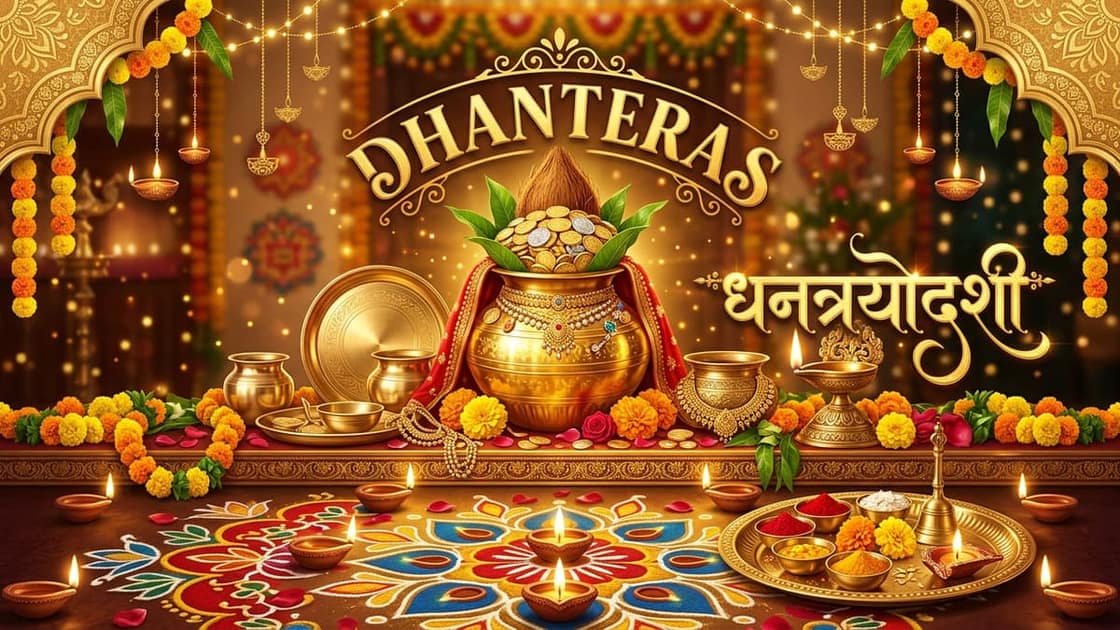 7 November
Dhanteras
धनत्रयोदशी २०२६
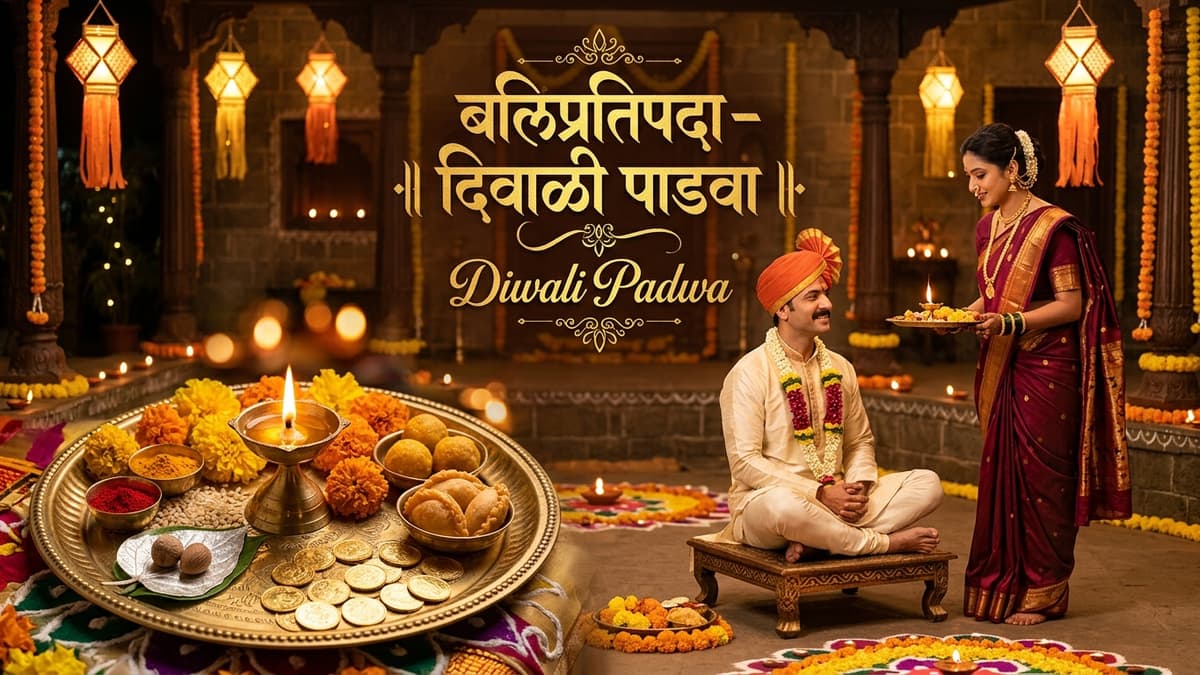 10 November
Balipratipada (Diwali Padwa)
बलिप्रतिपदा / दिवाळी पाडवा
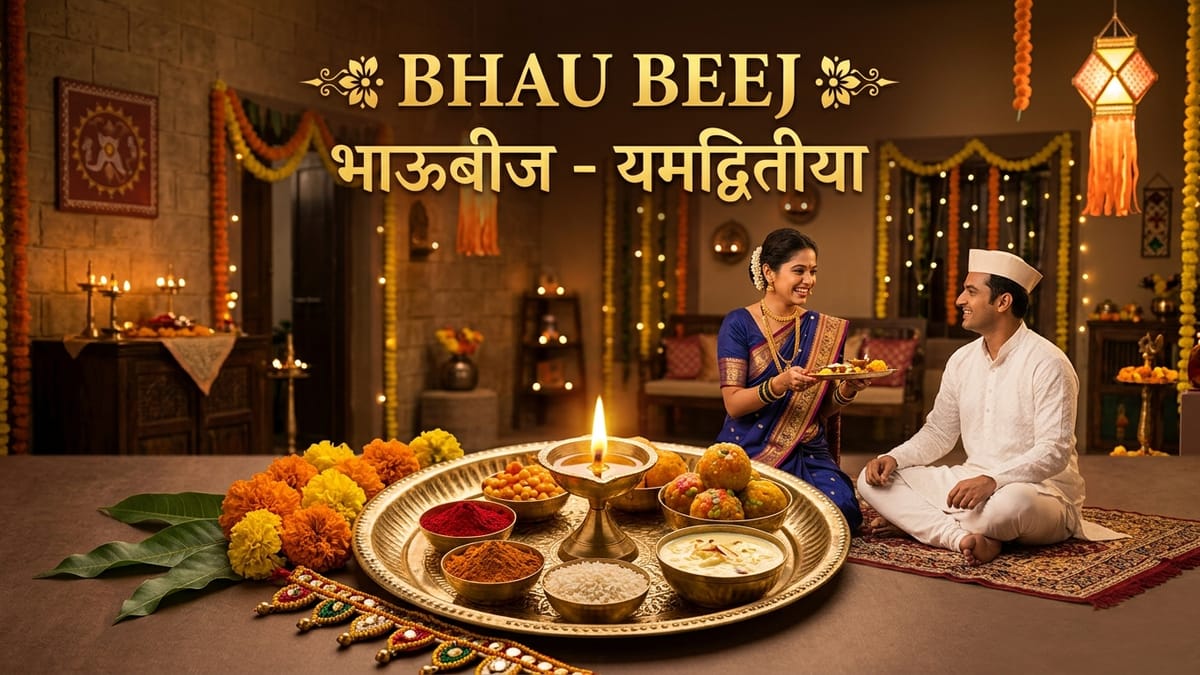 11 November
Bhau Beej
भाऊबीज २०२६
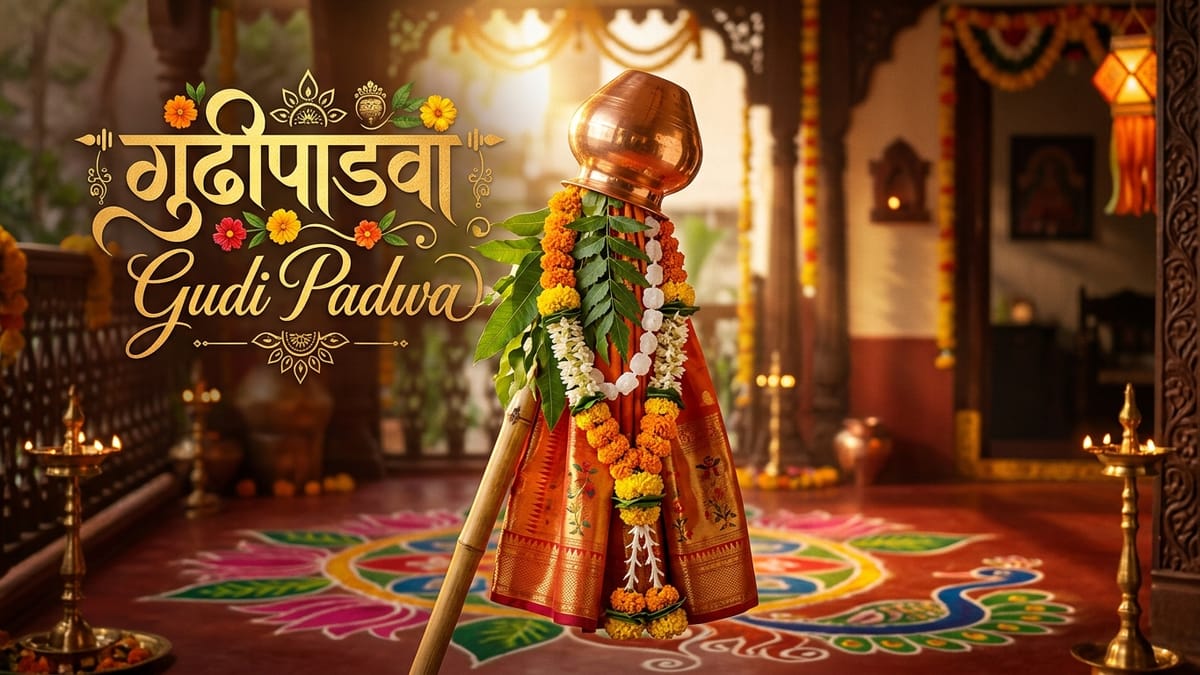 19 March
Gudi Padwa
गुढी पाडवा २०२६
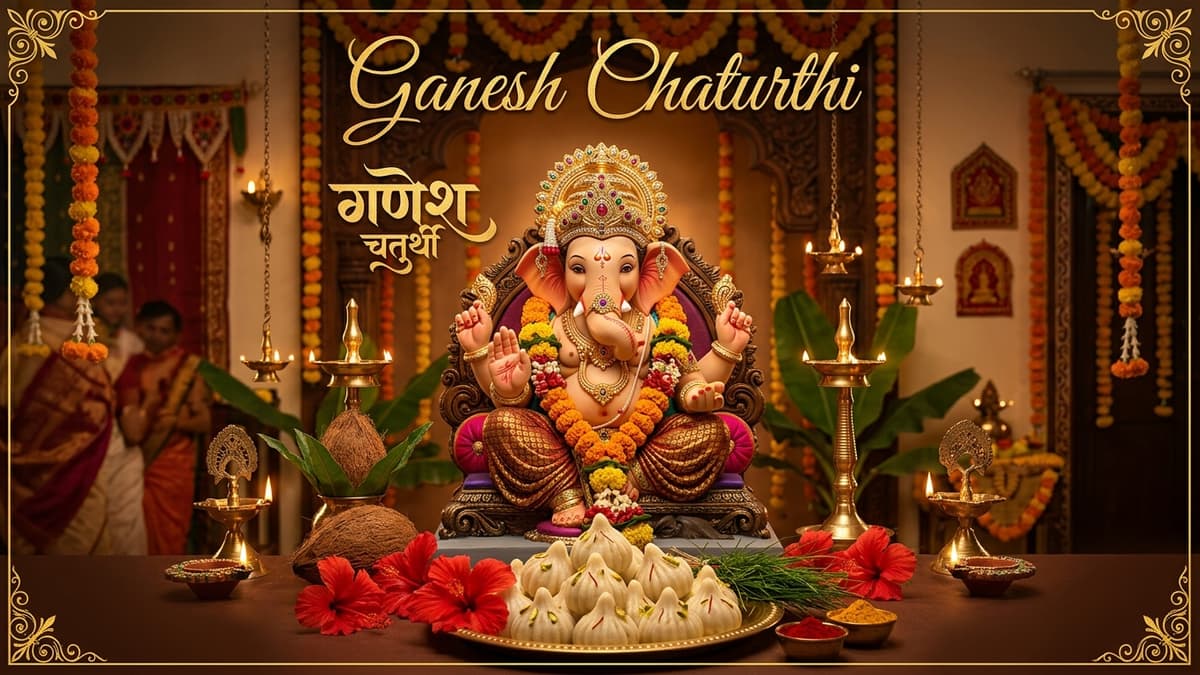 14 September
Ganesh Chaturthi
गणेश चतुर्थी २०२६
 14 January
Makar Sankranti
मकर संक्रांती २०२६