Kartiki Ekadashi 2026 | कार्तिकी एकादशी (प्रबोधिनी एकादशी) २०२६
Kartiki Ekadashi 2026 Pandharpur Wari pilgrims Vitthal Rukmini temple

Looking for calendar views and tithis?

Read more about the exact tithi timings and planetary alignments in our comprehensive November 2026 Calendar.

View November Calendar →

About Kartiki Ekadashi(उत्सव माहिती)

Kartiki Ekadashi (कार्तिकी एकादशी), also celebrated as Prabodhini Ekadashi (प्रबोधिनी एकादशी) or Dev Uthani Ekadashi, is one of the two greatest spiritual pillars of Maharashtra's devotional landscape alongside Ashadhi Ekadashi. Falling on the bright eleventh day (Shukla Paksha) of the holy month of Kartik, this sacred day commemorates the celestial moment when Lord Maha Vishnu awakens from his four-month yogic slumber (Yoga Nidra / Chaturmas). His divine awakening heralds the resumption of auspicious ceremonies across the Hindu cosmos, culminating in the festive Tulsi Vivah.

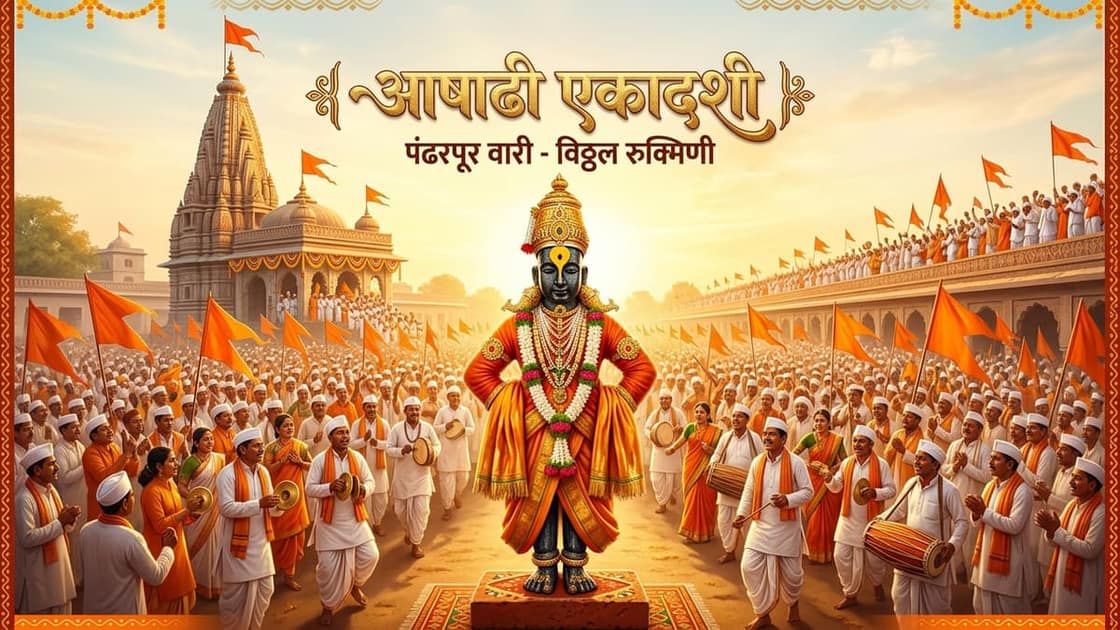
In Maharashtra, Kartiki Ekadashi is synonomous with the magnificent Kartiki Wari pilgrimage to the holy pilgrimage town of Pandharpur in Solapur district. Carrying saffron flags (भगवी पताका) and playing the cymbals (टाळ-मृदंग), hundreds of thousands of devout Warkaris converge on the sanctified banks of the Chandrabhaga River. Pilgrims sing the timeless abhangas of Sant Dnyaneshwar, Sant Tukaram, Sant Namdev, and Sant Chokhamela, eager to attain the life-transforming Mukh Darshan of Lord Vitthal (Vithoba) and Mother Rukmini standing majestically upon their historic brick altar.

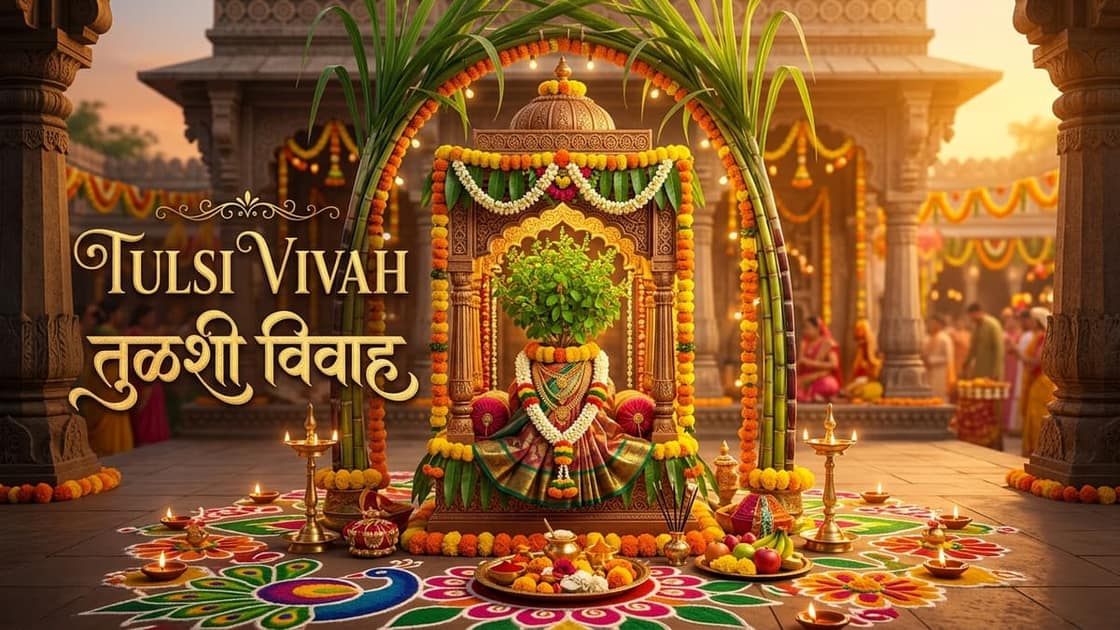
Families observe a strict day-long fast across Maharashtra, cleansing body and soul through fasting, devotional kirtans, and reading holy scriptures. The evening air resounds with chants of *'पुंडलिक वरदे हरी विठ्ठल, श्री ज्ञानदेव तुकाराम, पंढरीनाथ महाराज की जय!'*. The day concludes with preparations for Tulsi Vivah, as the holy basil shrub in every household courtyard is decorated with sugarcane stalks and tamarind branches to welcome Lord Vishnu as her eternal groom.

History: Scriptural origins in the Padma Purana and Skanda Purana narrate that Lord Vishnu retires to the cosmic ocean of milk atop the serpent Sheshanaga on Ashadhi Ekadashi (Devshayani), maintaining universal balance through contemplation. On Kartik Shukla Ekadashi, he awakens refreshed to bestow boons upon righteous souls, marking the joyful end of the four-month Chaturmas penance.

Historically, the Kartiki Wari tradition in Pandharpur has endured for more than eight centuries. Initiated and energized by the Bhakti saint-poets of Maharashtra from the 13th century onward, it championed an egalitarian society where caste, wealth, and status vanished before the lotus feet of Lord Vitthal. Maratha monarchs, Peshwa administrators, and common peasants walked shoulder to shoulder during the Kartiki pilgrimage, reinforcing deep civilizational unity and Maharashtra's immortal Bhakti heritage.

Significance: Kartiki Ekadashi holds immense spiritual, cultural, and seasonal importance. Religiously, it cleanses karmic blemishes accumulated throughout the year and bestows liberation (Moksha) upon sincere devotees who fast with pure heart and devotion. Culturally, it celebrates the climax of Maharashtra's annual Wari pilgrimage, where community compassion, kirtan singing, and devotional brotherhood reach their zenith. Seasonally, it marks the crisp arrival of winter in the Deccan plateau and opens the doors for Hindu weddings and housewarmings that were paused during Chaturmas.

Rituals & How to Celebrate

Sacred Snan at Chandrabhaga River: Pilgrims in Pandharpur take a holy dip in the sacred Chandrabhaga (Bhima) river before dawn, chanting the thousand divine names of Lord Vishnu.
Strict Upavas (व्रत व उपवास): Fasting devotees observe either a waterless fast (Nirjala) or take Satvik Phalahar, dedicating every waking thought to divine remembrance.
Charan Sparsh & Mukh Darshan: Warkaris patiently stand in sprawling queues extending across Pandharpur's temple precincts to touch their forehead to Lord Vitthal's sacred feet.
Akhand Bhajan & Kirtan: Temples and homes organize non-stop devotional recitations, singing classical Marathi abhangas with ektari and cymbals throughout the night.
Awakening the Lord (देव प्रबोधन मंत्र): Priests and domestic worshippers chant Vedic awakening hymns, offering fragrant Tulsi leaves, sandalwood paste, white flowers, and fresh harvest fruits to Vishnu idols.
Preparation of Tulsi Mandap: Setting up fresh sugarcane poles (ऊस), amla sprigs, and tender tamarind twigs around the courtyard Tulsi Vrindavan in anticipation of the Tulsi-Shaligram wedding.

Traditional Foods & Bhog

Sabudana Khichdi (उपवासाची साबुदाणा खिचडी - Tapioca pearls sautéed with roasted peanuts, cumin, green chilies, and dollops of fresh homemade ghee)
Ratalyachi Kheer (रताळ्याची रबडीदार खीर - Creamy sweet potato pudding infused with cardamom, saffron strands, and crushed almonds)
Varai Bhagar & Shengdana Amti (भगर आणि शेंगदाण्याची आमटी - Barnyard millet served with a savory, tangy roasted peanut curry seasoned with cumin and dry chili)
Singhare ke Atte ka Sheera (शिंगाड्याचा शिरा - Water chestnut flour halwa cooked slowly in pure ghee and sweetened with unrefined jaggery)
Sweet Banana Phalahar (पंचामृत व फलाहार - Fresh bananas, pomegranates, and apples sliced with pure milk and soaked dry fruits)

Festival Calendar

Nov1

Kartiki Ekadashi 2025

५० पौष • कार्तिकी एकादशी (प्रबोधिनी एकादशी) २०२६

Sat
Nov20

Kartiki Ekadashi 2026

११ कार्तिक • कार्तिकी एकादशी (प्रबोधिनी एकादशी) २०२६

Fri
Nov10

Kartiki Ekadashi 2027

३०७ पौष • कार्तिकी एकादशी (प्रबोधिनी एकादशी) २०२६

Wed

Frequently Asked Questions

Quick Info

FestivalKartiki Ekadashi
Date20 November 2026
DayFriday
Tithiषष्ठी
Marathi Date११ कार्तिक १९४८
Pakshaशुक्ल पक्ष
Share on WhatsApp

Panchang Details

Sunrise6:05 AM
Sunset5:00 PM
Nakshatraस्वाती
Yogaविष्कंभ
Karanaविष्टी