
Ram Navami 2026 | राम नवमी २०२६
Looking for calendar views and tithis?
Read more about the exact tithi timings and planetary alignments in our comprehensive March 2026 Calendar.
About Ram Navami(उत्सव माहिती)
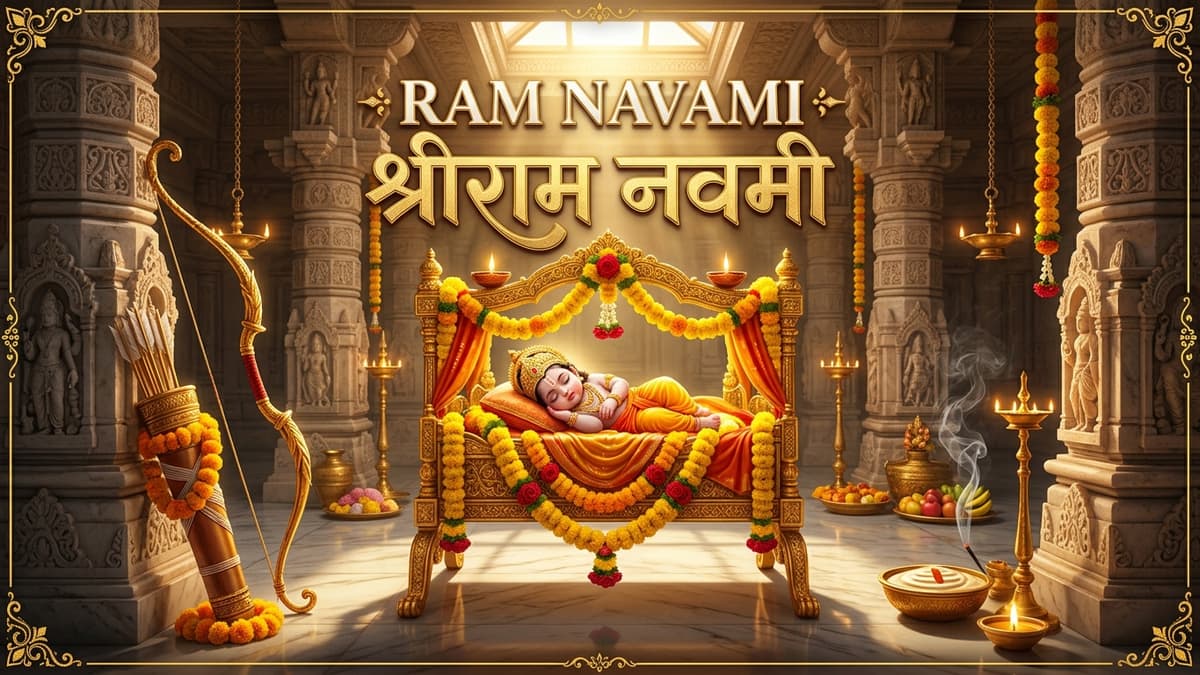
In iconic Maharashtrian shrines like the historic Kalaram Temple in Panchavati (Nashik — where Lord Rama spent years of his Vanvas exile), Ram Mandirs in Pune, and historic Mathas across the state, congregations gather from 10:00 AM onwards for the devotional *Kirtan* recital recounting the Ramayana. As the clock strikes 12:00 PM noon, the temple conch shells resound, bells chime enthusiastically, and a silken veil over the flower-decked baby cradle is lifted. Devotees shower fragrant Gulal and fresh flower petals, singing the immortal Marathi lullaby: *'श्रीरामचंद्र कृपाळू भजु मन, हरण भवभय दारुणं'* and *'पाळणा सजवा ग बाई, श्रीराम जन्मले!'*.
The signature culinary hallmark of Ram Navami across every Maharashtrian household is Sunthwada (सुंठवडा) — a warm, peppery, restorative dry prasad made from powdered dry ginger (Sunth), crushed sugar or jaggery, grated dry coconut (Khobara), cardamom, and nutmeg. Because it is given to new mothers in Ayurveda after childbirth, offering Sunthwada on Ram Navami honors Mother Kaushalya and revives seekers under the blazing Chaitra afternoon sun.
1. The Treta Yuga Incarnation: According to the Valmiki Ramayana, Lord Rama was born in Ayodhya during the Punarvasu Nakshatra under Cancer ascendant (Karka Lagna) at high noon, incarnating as the seventh avatar of Lord Vishnu to vanquish Ravana and establish *Ramrajya* — an ideal society governed by justice, compassion, and Dharma.
2. Maharashtra's Intimate Bond with Ramayana: Lord Rama spent long years of exile in Maharashtra's Dandakaranya forest, particularly Panchavati (Nashik), where Mother Sita was abducted and where Lakshmana cut Surpanakha's nose. Saint-poet Sant Eknath wrote the beloved *Bhavartha Ramayana*, infusing Maharashtra's countryside with devotion for Lord Rama's virtue.
3. Samarth Ramdas & Maratha Revival: The spiritual Guru of Chhatrapati Shivaji Maharaj, Samarth Ramdas Swami, established over 1,100 Maruti and Ram temples throughout Maharashtra in the 17th century. He revitalized Ram Navami as a public celebration to inspire physical vigor, self-discipline, and moral courage among the youth to fight for Swarajya.
- Madhyahna Kaal Janmotsav: Unlike most avatar celebrations that happen at night or dawn, Rama's appearance occurs at noon when the sun shines brightest, reflecting his descent from the illustrious Suryavanshi solar dynasty.
- Ayurvedic Wisdom of Sunthwada & Panakam: In late March, the scorching summer heat triggers dehydration and lethargy. The spicy ginger in Sunthwada stimulates digestive fire (Jatharagni), while sweet, cooling *Panakam* (raw mango and jaggery water with black pepper) acts as an instant natural electrolyte.
- Ramrajya Moral Compass: The observance reminds society of selfless duty, filial reverence, and upright governance in daily civic life.
Rituals & How to Celebrate
Traditional Foods & Bhog
Festival Calendar
Ram Navami
८ चैत्र • राम नवमी २०२६
Related Festivals & Celebrations
संबंधित मराठी सण, उत्सव आणि व्रते
 1 April
Hanuman Jayanti
हनुमान जयंती २०२६
 19 March
Gudi Padwa
गुढी पाडवा २०२६
 19 April
Akshaya Tritiya
अक्षय तृतीया २०२६
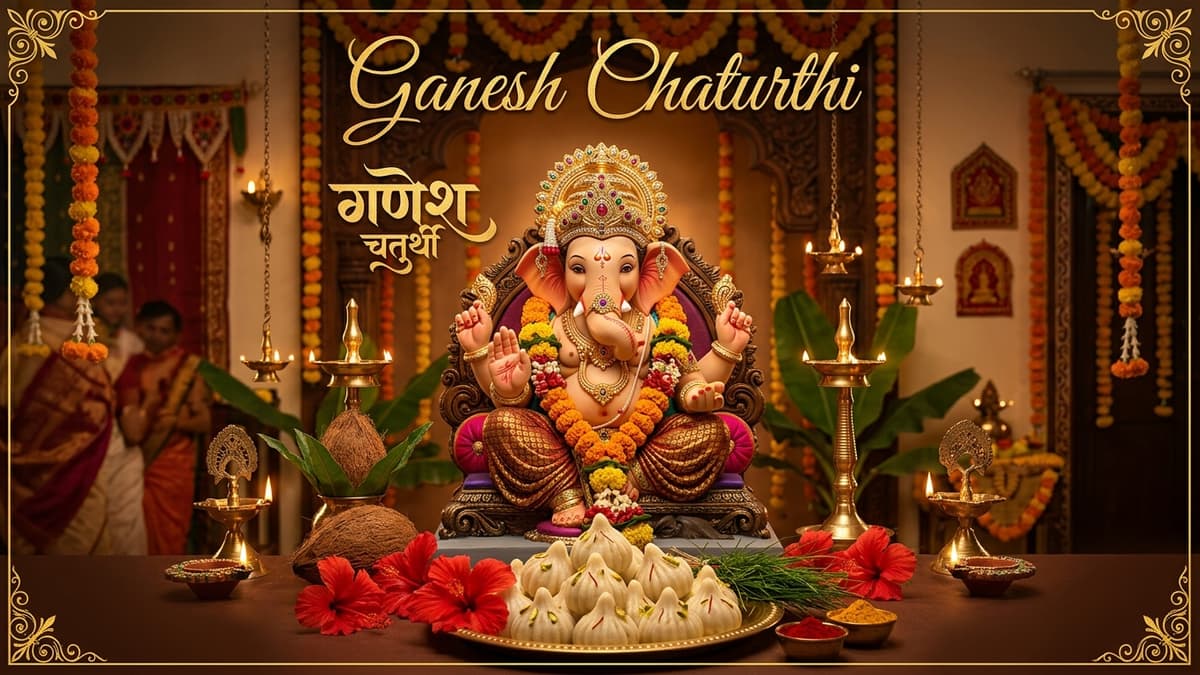 14 September
Ganesh Chaturthi
गणेश चतुर्थी २०२६
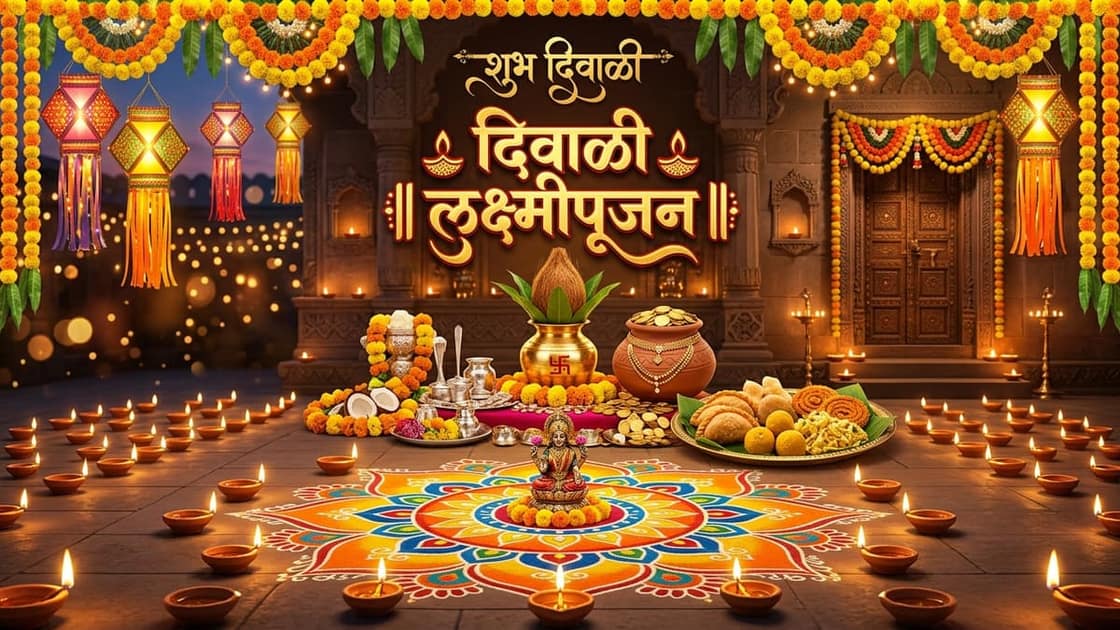 9 November
Diwali
दिवाळी २०२६
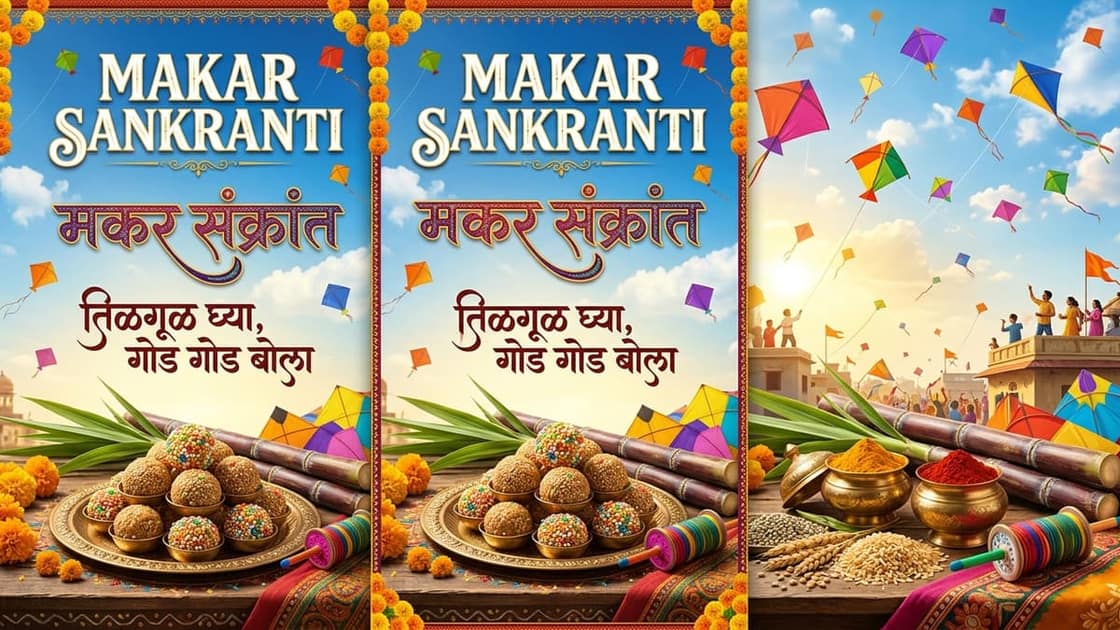 14 January
Makar Sankranti
मकर संक्रांती २०२६
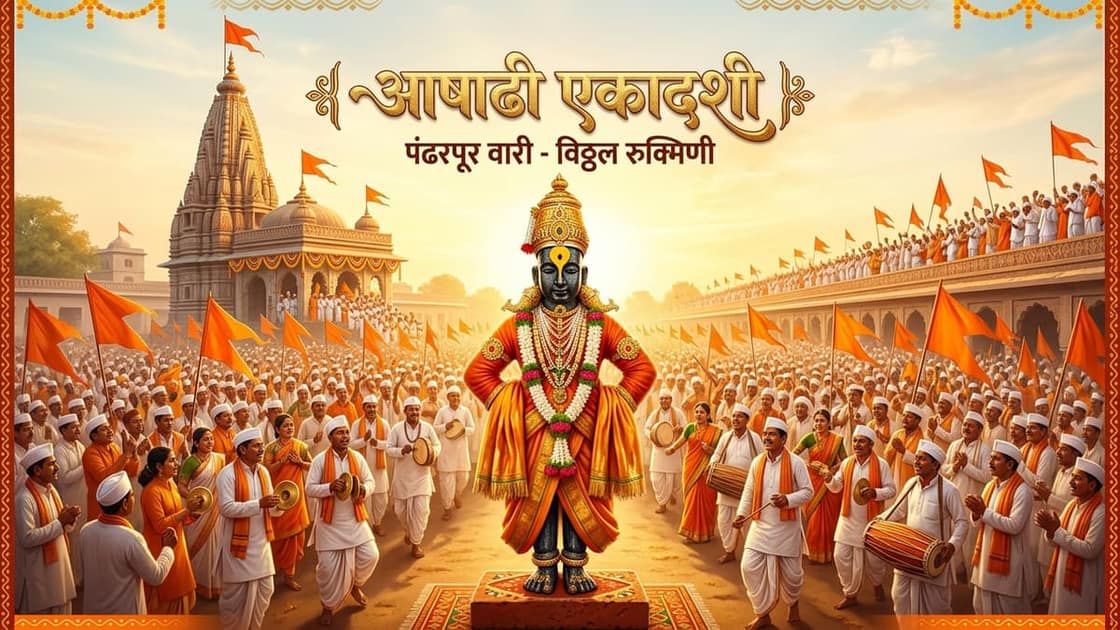 25 June
Ashadhi Ekadashi
आषाढी एकादशी
 11 October
Navratri
नवरात्री