
Kojagiri Purnima 2026 | कोजागिरी पौर्णिमा
Looking for calendar views and tithis?
Read more about the exact tithi timings and planetary alignments in our comprehensive October 2026 Calendar.
About Kojagiri Purnima(उत्सव माहिती)
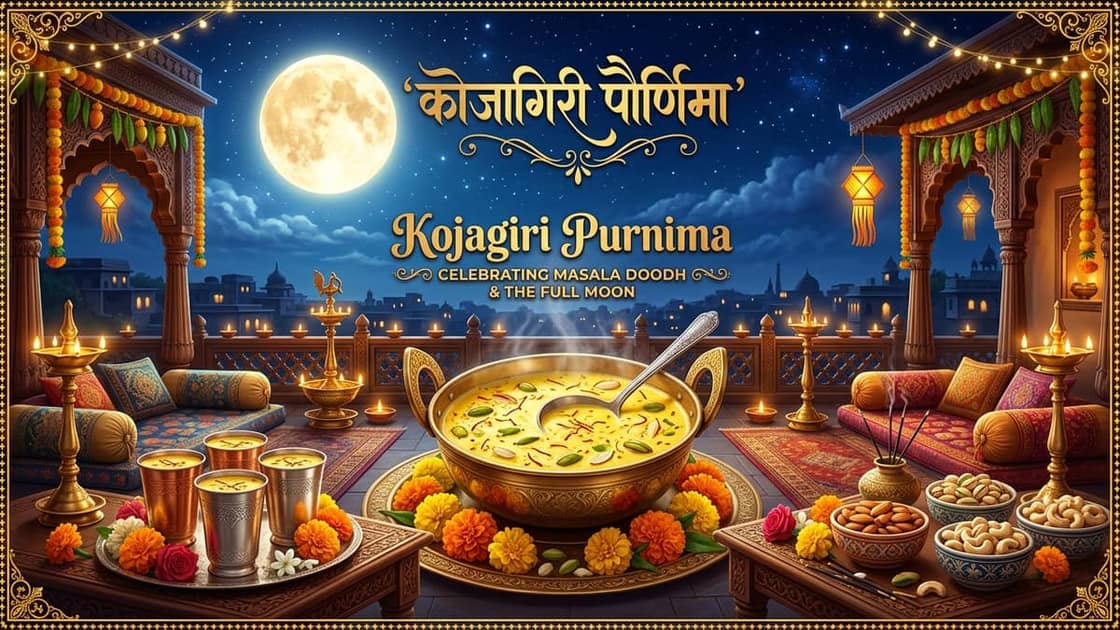
In Maharashtrian tradition, the centerpiece of the festival is the sacred night vigil (Jagarana) and the brewing of authentic Kojagiri Masala Doodh (rich saffron and dry-fruit infused milk). Families gather on terraces, balconies, and open courtyards under the silver moonlight. The vessel of boiling hot sweetened milk is placed directly under the celestial moonlight for several hours so that the moon's curative rays (revered in Ayurveda as divine nectar or *Amrit*) infuse the drink. Before consuming, family members gaze into the vessel to admire the moon's direct reflection on the milk surface before offering it as Naivedya to Goddess Lakshmi and sharing it amongst loved ones.
Kojagiri Purnima is also revered across Maharashtra as Aswin Navanna Purnima (harvest celebration). Farmers honor the newly harvested grains of paddy, pulses, and sugarcane, offering the fresh harvest to the deities in gratitude for seasonal abundance and agricultural prosperity.
Historically across the Deccan and Maratha empires, Kojagiri Purnima was celebrated with royal pageantry. In the royal courts of Chhatrapati Shivaji Maharaj and the later Peshwas, grand darbars were held under the open moonlight at fortresses like Raigad and Shaniwar Wada. Classical vocalists and sitar maestros performed ragas of the night, while royal Vaidyas (Ayurvedic physicians) distributed medicinal moon-bathed tonics to promote longevity and cognitive clarity among the citizens.
In agricultural folklore, this night marks the ending of the monsoon rains and the onset of the harvest. Farmers celebrate by placing freshly harvested stalks at their village temples and performing Lakshmi-Indra pujan to safeguard their godowns from pests and winter dampness.
- Spiritual Wealth & Divine Grace: Goddess Lakshmi visits homes during the midnight hour (Nishita Kaal). Staying awake in devotion cleanses past karmic blockages, invites abundance into the household, and shields against poverty (Alakshmi).
- Ayurvedic Health Wisdom: Autumn (Sharad Ritu) naturally aggravates the Pitta dosha in the human body due to post-monsoon heat. The cooling rays of the full moon combined with full-fat milk, soothing saffron (Kesar), nutmeg (Jaiphal), cardamom (Elaichi), and blanched almonds act as a natural medicinal pacifier, detoxifying the blood and rejuvenating the nervous system.
- Jyeshtha Pujan (Honor of the Eldest Child): In Maharashtrian households, this day is celebrated as Aswin Purnima Jyeshtha Pujan. The eldest son or daughter of the family is seated on a decorated wooden seat (Pat), given a traditional Aarti (Owalani), and blessed with gifts and prayers for lifelong health, intellect, and leadership.
- Harvest Thanksgiving: Families celebrate the arrival of the Kharif harvest by offering new grain pudding and thanking mother nature for sustenance.
Rituals & How to Celebrate
Traditional Foods & Bhog
Festival Calendar
Kojagiri Purnima
१५ आश्विन • कोजागिरी पौर्णिमा
Related Festivals & Celebrations
संबंधित मराठी सण, उत्सव आणि व्रते
 9 November
Diwali
दिवाळी २०२६
 9 November
Diwali Laxmi Pujan
लक्ष्मीपूजन २०२६
 11 October
Navratri
नवरात्री
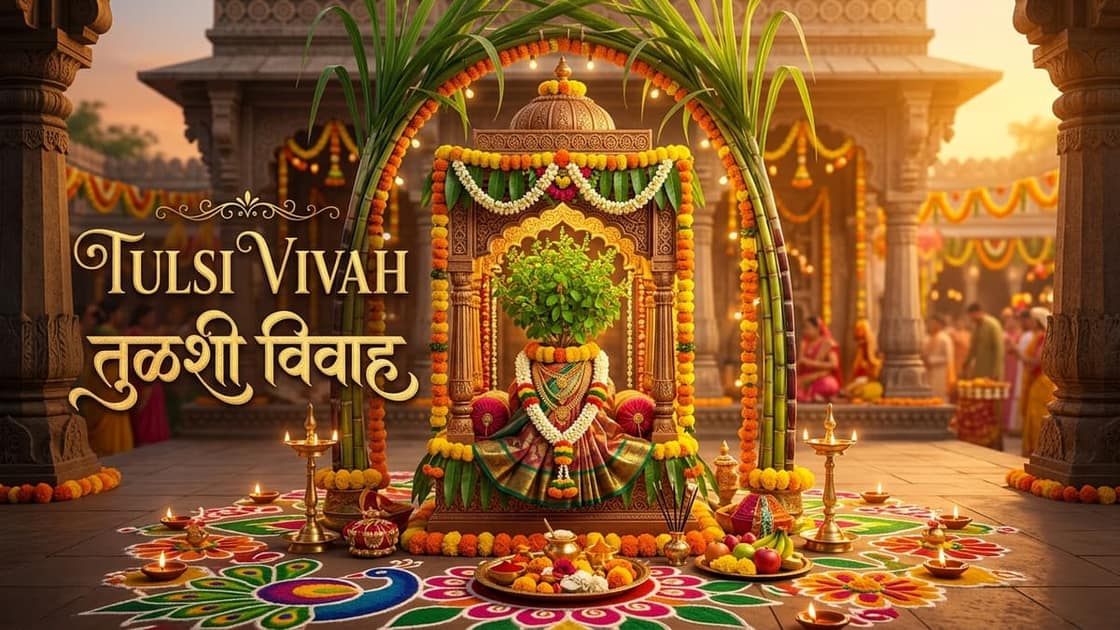 21 November
Tulsi Vivah
तुळशी विवाह
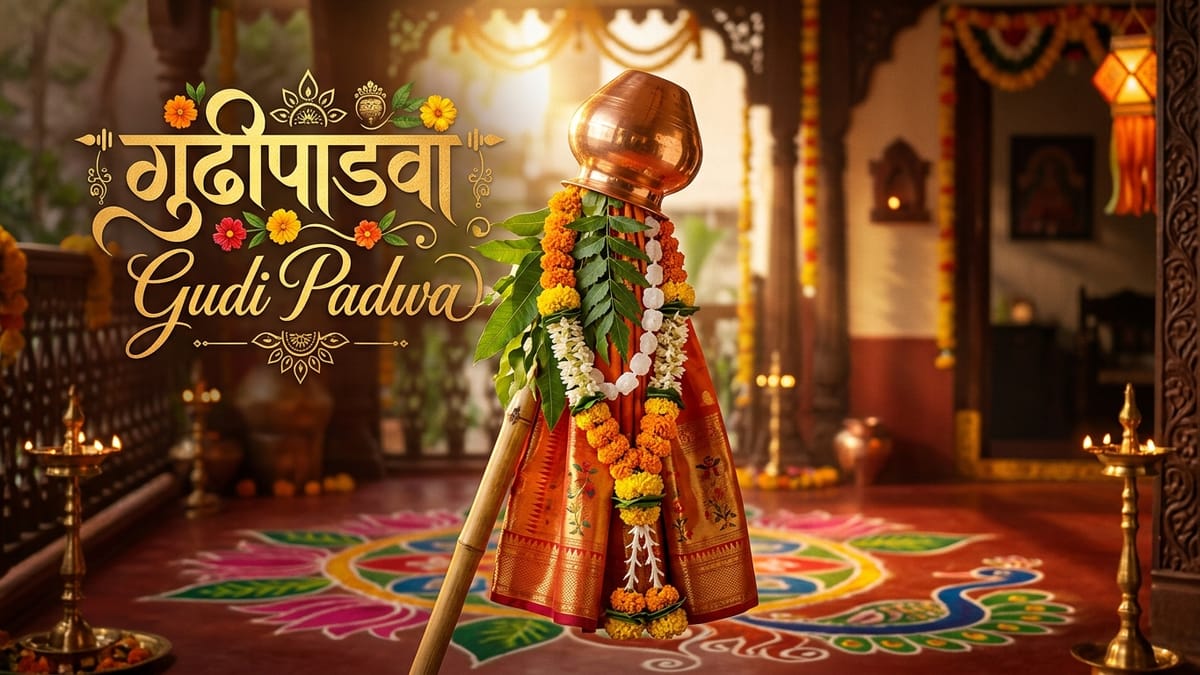 19 March
Gudi Padwa
गुढी पाडवा २०२६
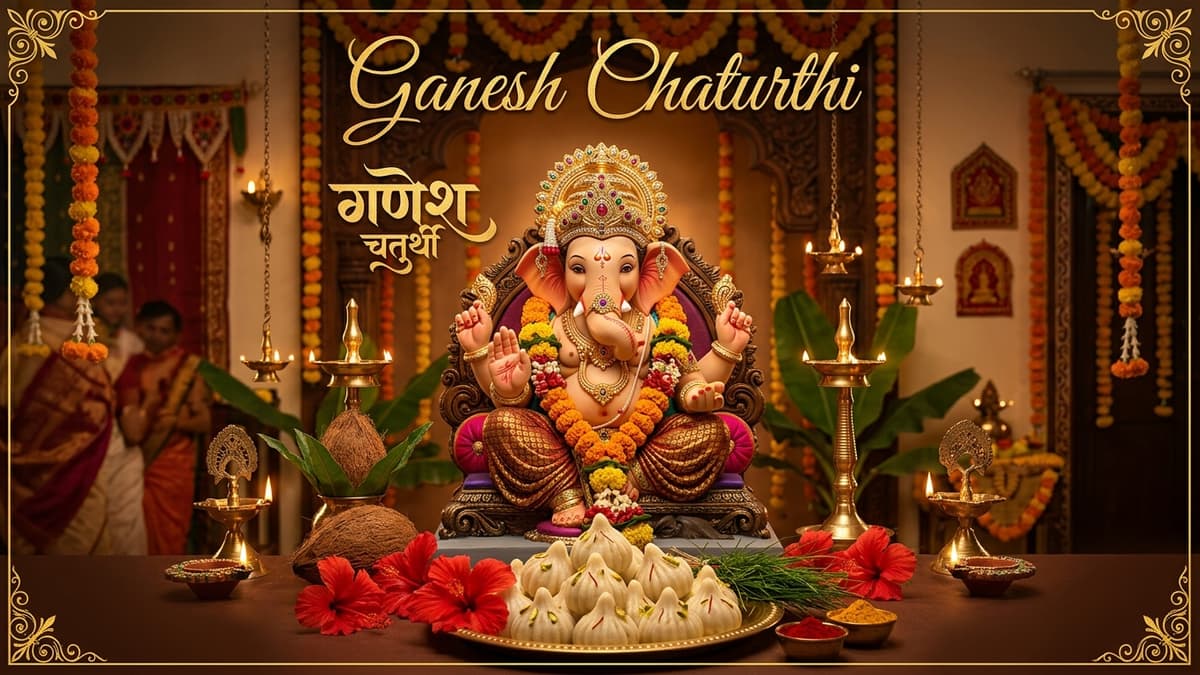 14 September
Ganesh Chaturthi
गणेश चतुर्थी २०२६
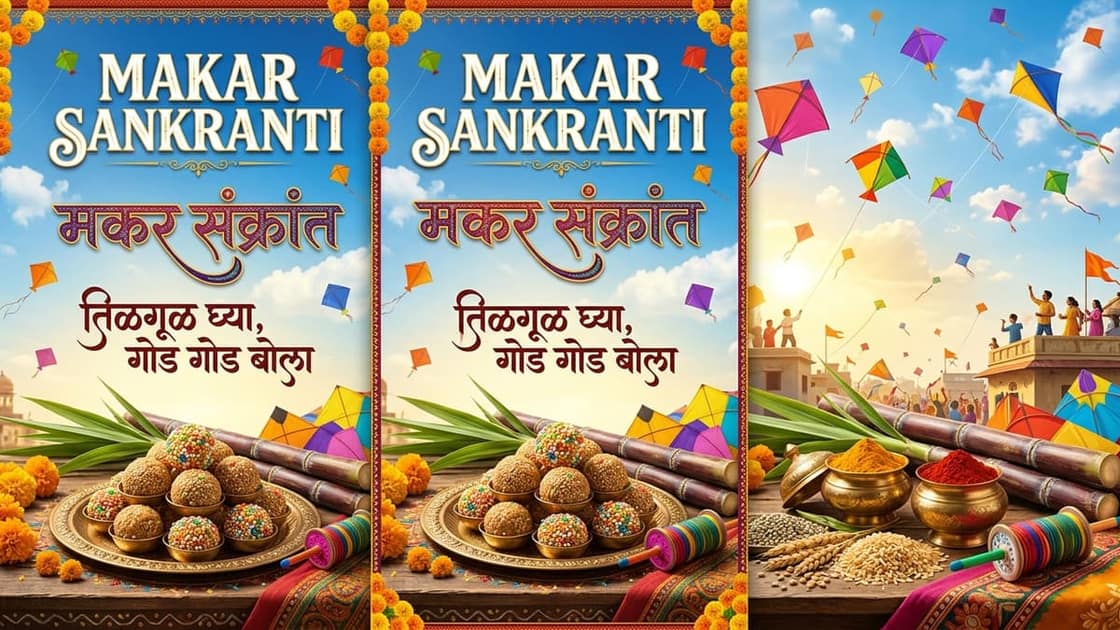 14 January
Makar Sankranti
मकर संक्रांती २०२६
 25 June
Ashadhi Ekadashi
आषाढी एकादशी